

Most of us are apprehensive and intimidated when we hunt an unfamiliar territory. That’s especially true if we’re considering a hunt that’s totally unlike what we’re used to. It’s one thing to live in Illinois and hunt in Indiana, for example, where the countryside is fairly similar. But if you’re thinking of making the leap and heading for the Rockies, you’ll be looking at a totally different landscape. You’ll be in elevations far higher than what you’re accustomed to. You’ll see mountains from horizon to horizon, heavily timbered slopes, vast expanses of sagebrush, and lots of open country where ranches may be dozens of miles apart on rural roads.
The very first part of the planning process is to form your hunting party. Select friends who are compatible. Perhaps you can make it a family affair. With that accomplished, you then must decide what species you want to hunt. The West offers many big game species, but the most common are the Big Three: deer, elk, and antelope. Others are sheep, mountain goats, moose, black bears, and cougars.
Once you’ve put your party together and agreed on the quarry, the all-important question is where to hunt. That is the largest stumbling block of all. Unlike most eastern states where you can buy deer licenses over the counter, that’s not true in the West for nonresidents, although there are some exceptions. In fact, a few states don’t even allow residents to buy over the counter licenses. Obtaining a nonresident license typically requires you to draw one in a lottery. There are two types of lotteries. One uses the preference point system, the other the bonus point system. Every state is different and uses different systems. It’s best to carefully read the instructions from the state you’re interested in so you can understand that process.
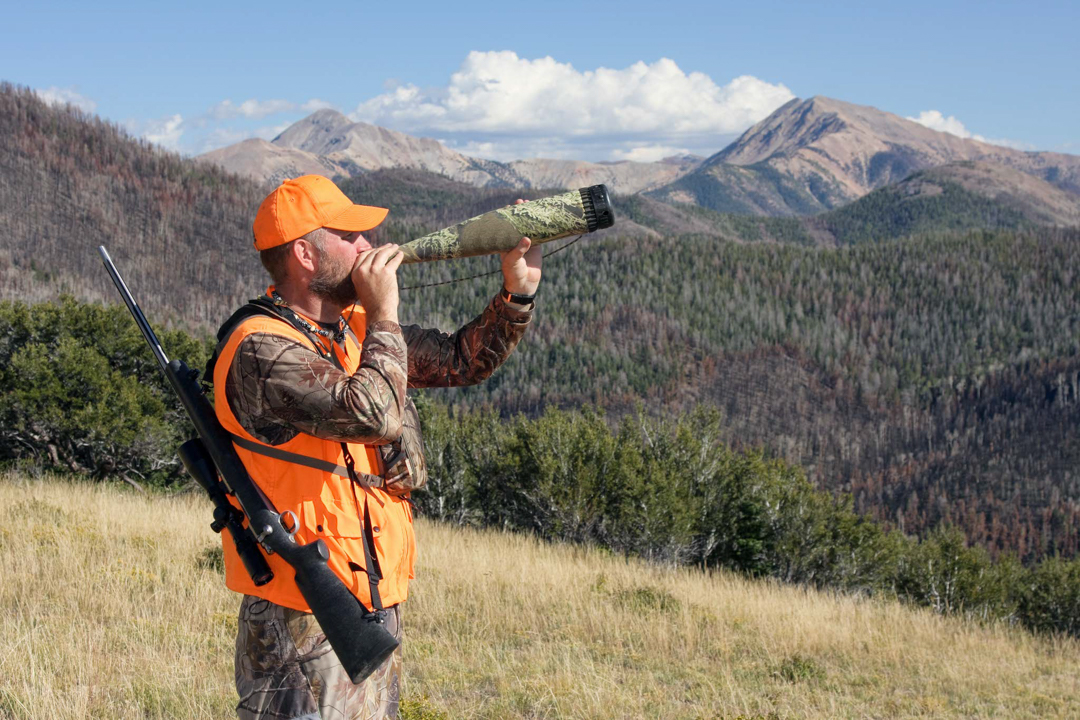
So far, I’m addressing the basics of hunting on your own, which in hunting lingo means DIY (Do It Yourself) hunting. You can also hire an outfitter, which eliminates all your planning efforts. He will take care of your accommodations, take you to good hunting areas, provide a guide, and take care of your animal. The outfitted hunt is the most expensive way to hunt, and it doesn’t appeal to hunters who enjoy doing things themselves.
One of the greatest assets in the West is the amazing availability of public hunting.
Two major federal government agencies offer millions of acres of public land. The Bureau of Land Management, an agency under the Department of Interior, administers about 250 million acres, most of them in the West. The US Forest Service, under the umbrella of the Department of Agriculture, governs almost 200 million acres with 154 National Forests. Most of those forests are located in the West and are large, many with more than one million acres.
What this means to the hunter is a huge amount of land you can hunt—for free. No posted signs, no shooting or hunting restrictions with the exception of administration areas, campgrounds, picnic areas, etc.
When I first went west to attend forestry college in Utah, I couldn’t believe the enormous chunks of unposted country. I was raised in New York State and was amazed when I found I could hike for days and never walk on posted private land in the West.
If you’re on a tight budget, you can camp on public lands for free or at a minimal cost if you stay in a designated campground. In many federal areas, you can camp wherever you’d like, and in others you may have to camp a certain distance from the highway or in a campground. If you camp in a tent and are planning on hunting in late fall, you should have a wood stove in it and plenty of firewood. When the temperature in the high-country dips down to single digits, as it can, the warmth from the stove will be most welcome. Many hunters prefer wall tents that are 8′ x 12′ or larger. Cots are always suggested to keep you off the cold floor, but plan on having a foam pad under your sleeping bag. Even an expensive bag will lose loft and compress when you lay on it. The foam adds a buffer between your bag and the cold air under your bag.
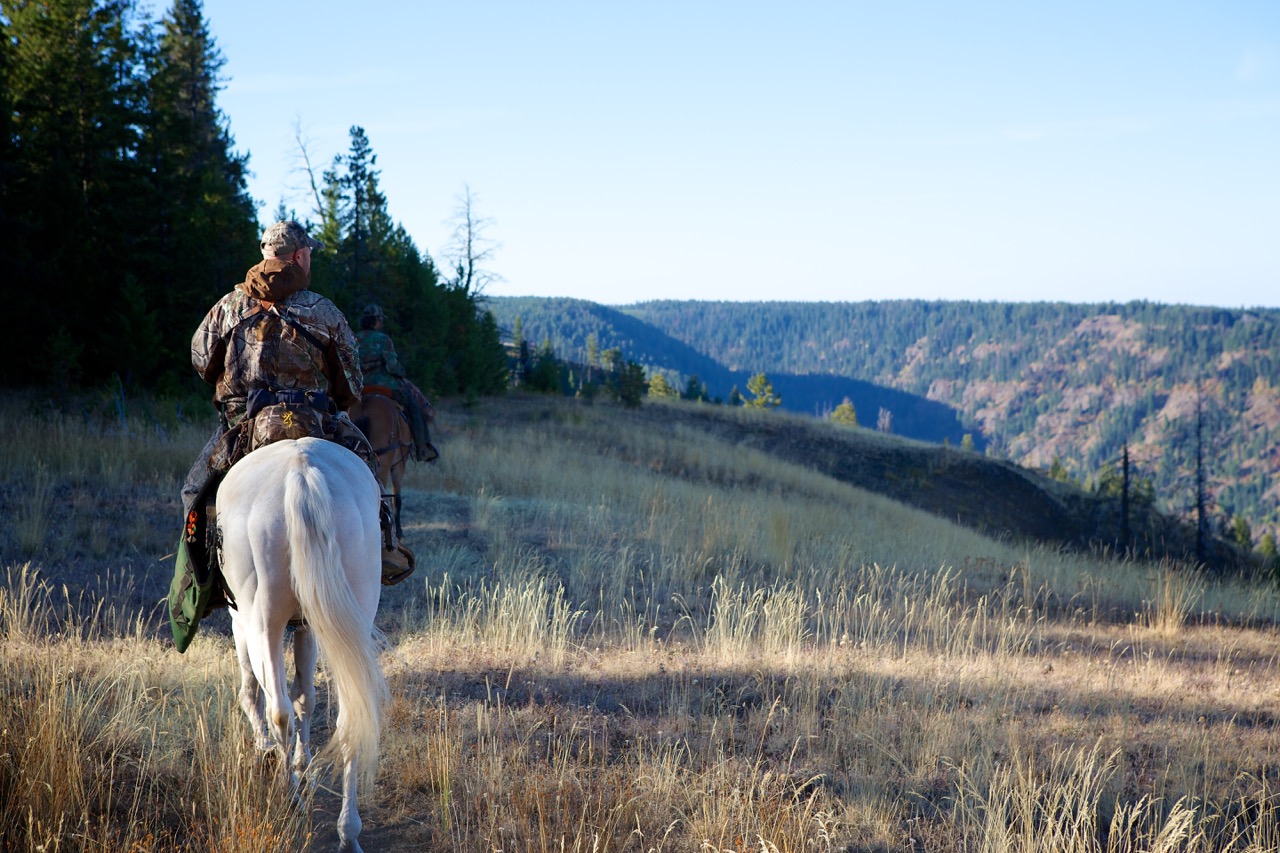
Be sure to have a plan to transport your animal overland from where you shot it to your vehicle. Even an antelope that weighs a little more than 100 pounds can present a formidable challenge if you’re hunting in an area where off-road travel isn’t allowed and you dropped your animal two miles from the truck. That’s true with other species that weigh much more than an antelope. A mature mule deer can weigh over 200 pounds, and a big bull elk can tip the scales at 800 pounds or more. Consider some type of wheeled carrier. These game carts are extremely useful in retrieving an animal. I prefer the one-wheeled carts because they can bounce over logs, stumps, rocks, and brush. A two-wheeled cart tends to easily get hung-up on ground obstacles. Another option is to hire a horse packer to transport your meat out of the woods. Do this in advance of your hunt so you don’t catch him by surprise if you need his services. Then there’s the good old-fashioned way. Tie an elk quarter on your backpack, strap it on, and head out. Do this only if you’re in reasonably good shape. An elk quarter can weigh 90 pounds or more. Too many hunters have severely injured themselves, and even perished, when attempting to work with heavy loads.
Firearms are always a major topic when planning your hunt. I know many hunters going on their first-ever western hunt who believe they must buy a super-duper magnum. What often happens is that they purchase the gun and are uncomfortable shooting it because of the excessive recoil and sound. If you’re hunting deer or antelope, consider using the firearm you’re accustomed to at home, though I’d suggest leaving the 30/30 behind because of its short range. Since much hunting in the West is open country, long shots are possible, especially with antelope. Elk are bigger animals, and many hunters like the larger calibers, though I’ve done well with a .270, 7mm Mag, and 30/06.
A common mistake is to sight your rifle at 100 yards, and when you’ve adjusted it to shoot well, you call it good and assume it’s ready to go on your western big game hunt. But what will you do if a big bull elk presents a shot across a canyon at a distance of 375 yards? Do you know where your bullet is hitting at that range? Will you shoot at that elk and risk wounding it? Instead, shoot your rifle at 200 and 300-yard targets before you leave home. If you live on a farm, you probably have open fields where you can practice, making sure you have a safe backstop. If that’s not possible and your community gun range has only 100-yard targets, practice when you arrive in the West. You can often shoot at a public range or find an open area on government lands where you can shoot at long yardages.
Planning your trip will take some work, but hunting the West makes it all worth it. There’s just one problem. You might become addicted to that spectacular mountain scenery, hunting God’s creatures that inhabit it, and return every year you can. //
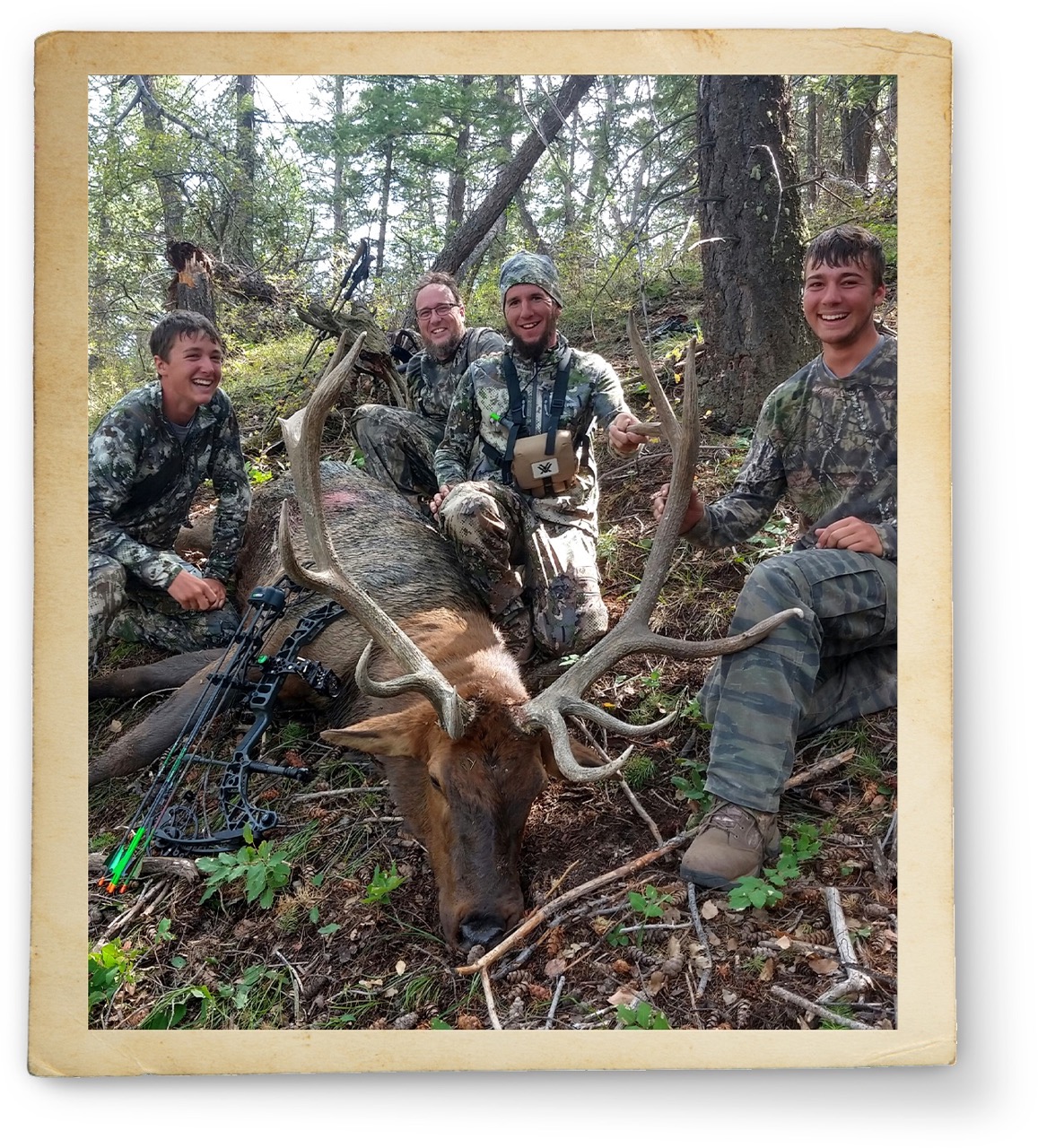
Jim has hunted all fifty states for deer, has fished in most states, has hunted elk in all the major western elk states, and has hunted on four continents. He worked for fifteen years as a forester, game warden, and wildlife biologist. Jim draws on these experiences for his monthly column “All Things Outdoors.” For more information, visit www.jimzumbo.com.



Leave a Reply