
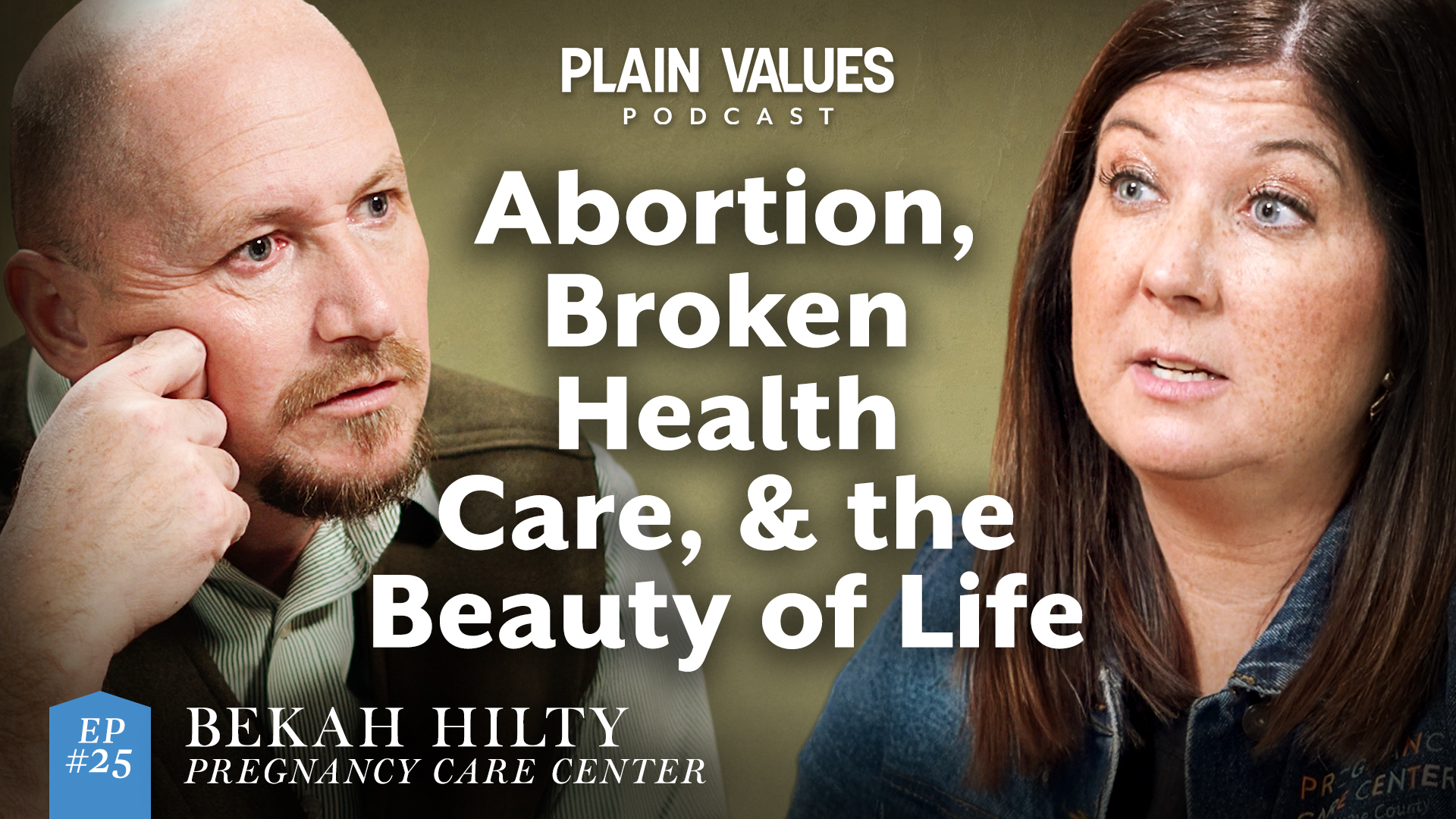
In this episode of The Plain Values Podcast, Bekah Hilty, executive director of the Pregnancy Care Center of Wayne County (in Ohio), shares her unexpected path into ministry.
From a health education background and personal miscarriage to leading a center that offers free ultrasounds, parenting classes, and newborn support, she emphasizes affirming women’s worth in Christ.
She details the risks of abortion pills (often obtained online without medical oversight) complications, reversals, how clients sometimes seek help post-decision, and how heartbeat ultrasounds change minds.
Bekah highlights joys amid heartbreak, the post-Roe fight in Ohio, and the need for prayer for nurses on the front lines.
Learn more about Bekah Hilty’s work at https://supportpccwayneoh.org/
Learn more about Plain Values at https://plainvalues.com.
Transcripts
00:00 – Introduction
01:59 – Meeting Becca Hilty: From Lake Erie to Wooster
04:40 – A Miscarriage & The Path to Pro-Life Ministry
10:04 – “I Want Women to Know Their Value”
13:23 – A Fascination with Hospice & End-of-Life Care
25:38 – The Story of Victor: A First Ultrasound Miracle
30:18 – The Hardest Cases: Abuse and Apathy
32:56 – The Dangers of Mail-Order Abortion Pills
38:15 – What is Abortion Pill Reversal?
42:00 – How Abortion Access Has Changed
45:16 – Why Abortion-Minded Women Visit the Center
49:16 – Not Just Pro-Life, but Pro-Abundant Life
52:30 – The Aftermath of Roe v. Wade in Ohio
57:58 – The Dark Reality of the Abortion Industry
01:04:21 – Euthanasia and the Sanctity of Life
01:09:02 – Gala Guests
01:18:11 – How to Pray for Nurses & Support the Center
Marlin Miller:
Can we talk about the pills? Absolutely. They can get them anywhere.
Bekah Hilty:
Anywhere.
Marlin Miller:
Okay. I’ve read some stories about how sideways those pills can go for mom.
Bekah Hilty:
Yeah. People don’t believe us when we say this, but you don’t know how many girls have told us that they tell them that if they have a complication or something goes wrong, you do not tell them that you’ve taken these pills, you tell them you’re miscarrying. I want women especially to know their worth, know their value, know how much they’re loved by their
Marlin Miller:
Creator. Becca Hilty is the executive director of the Pregnancy Care Center in a town nearby. I have known Becca for many years, but we’ve never had a chance to really talk. She tells the story of how she got into the work that she’s doing, the joys and the pains that come alongside working in this field. Please meet my friend, Becca Hilty. This podcast is sponsored by my friends at Azure Standard. A while back, I had a chance to sit down with the founder, David Stelzer, right here at the table. And we had a great conversation. I love the Azure story. They started out as farmers back in the ’70s, and I think in 1987, they began a nationwide food distribution company. And guys, they are non- GMO organic. They do it right. They do it so well. And you can get a truck to drop food right in your town.
Check them out at Azurestandard.com and tell them Marlin and Plain Values sent you. Where did you grow up?
Bekah Hilty:
I grew up in Huron, Ohio. Up by the lake? Up by the lake. I love it. You live off Huron. I was a lake girl. Really? Yeah. Yeah. Okay. So graduated from Huron High School in 2000. But yeah, I lived there my whole life until I was …
Marlin Miller:
How did you end up in Worcester?
Bekah Hilty:
So I went to college at Malone and met my husband who is originally from Kidron.
Marlin Miller:
Hence the Hilti name.
Bekah Hilty:
Hence the Hilti name. Interesting. I know. I cannot go anywhere, anywhere. Anywhere. We were at a Veterans Day lunch the other day because my husband was in the military and he introduced himself and someone walked up and said, “By any chance, are you related to Leon Hilty?” And I’m like, “It doesn’t matter where I go. It doesn’t matter.” But no, so I went to Malone. Long story short, he was at Ohio State. My best friend from college transferred to Ohio State, happened to move in next door to him. So anyways, we met, got married, and then we didn’t live here right away. We were in Texas, then Western Ohio, and then moved here in 2011 is how we made it back this way. Yeah.
Marlin Miller:
Do you still have a ton of family up north?
Bekah Hilty:
I do. My parents are still in here on my brother’s just 10 minutes from there. And then I have another brother who’s in Central Ohio, but yeah.
Marlin Miller:
Okay.
Bekah Hilty:
Yeah.
Marlin Miller:
Is your husband’s family from Kidron still in Kidron?
Bekah Hilty:
Oh yeah.
Marlin Miller:
Are they still farming? Are they
Bekah Hilty:
Farming? No, his parents are retired. So they were. Then they had a meat packing facility for years and then retired.
Marlin Miller:
Meat packing facility.
Bekah Hilty:
So 3D meets in Dalton. Oh my word. So he was at Tucker Packing in Orville for the longest time. And then they opened 3D meets.
Marlin Miller:
Your in- laws are 3D meets.
Bekah Hilty:
Yeah.
Marlin Miller:
I just drove by there
Bekah Hilty:
Yesterday. Yes. Yeah. But they sold it. So they retired. Yeah. They don’t own it anymore, but yeah, they started it. That’s so cool. The three Ds is their three kids. So Drew, Dana, and Denae, that’s what the 3D stands for. Yeah.
Marlin Miller:
Drew’s your husband.
Bekah Hilty:
Drew’s my husband. Drew’s your up. Yep.
Marlin Miller:
Okay. I love it. Kids. You guys. Do you guys have kids?
Bekah Hilty:
I have two kids. I have a son. His name’s Kaden. He’s a junior. We’re at TriWay. We’re in Triway School District. So he’s a junior. And then I have a daughter who’s a freshman, Elena. She’s 14. Cool. Yes.
Marlin Miller:
Okay. So this is the part of the story that I want to get to.
Bekah Hilty:
Yeah.
Marlin Miller:
Okay. Number one. Number one, I want to know how you get all these unbelievable guests for your banquet later. Okay. Okay. Don’t forget that. Okay. Number one though, how did you come to this work?
Bekah Hilty:
Yeah, it’s a great question. Never saw myself in ministry at all.
Marlin Miller:
Not a PK, nothing like
Bekah Hilty:
That. No. Grew up in a solid Christian home. Was around it my whole life. It never knew any different, but I never saw myself in ministry. I was never outspoken about my faith. I was never … As a teenager, my brother on the other hand, who is in ministry, he’s a pastor, was always, and so I always saw him in it, never saw myself in it. And I graduated with a degree in community health education. I was very passionate about health. I was very passionate about educating people about health. And I didn’t want to be a doctor or a nurse, but I really was fascinated by that. But when I got married, moved to Texas at 22 and couldn’t find a job in public health or community health. And so I landed a job in human resources, which is so funny. Worked in human resources for like 10 years.
And then when we decided to move back to Worcester, I then made the decision to stay home with my kids. So I had been working and stayed home with my kids. But prior to the birth of my kids, so I got pregnant in 2007, the first time got pregnant. And we were trying. We were related. And unfortunately, we miscarried that child, which was never even a thought. I never even thought about it.
Quite possibly was the most traumatic thing I’ve ever been through in my life because it was what the doctors would consider natural. And so anyways, I delivered my child at home and it was traumatic and it was like, oh, it just hit me to the core.
Marlin Miller:
Can I ask how far along?
Bekah Hilty:
I was first trimester. Yeah. First trimester.
Okay. But I didn’t know what was happening. There’s just so many unknowns at the time. And it’s a first of everything. It’s a first of everything. Right. Yeah. And no one in my family had experienced it. None of my friends … I mean, it was such a foreign thing to me. So anyways, fast forward, moved to Worcester. We have our two children. We were blessed immediately with two more children, so I didn’t have any problems after that and decided to stay home. And I was really involved in our church at the time. And I was kind of getting the itch to go back to work when my daughter was turning three, four. And I happened to be at the church one day volunteering and someone said that they needed this certain position at the church. And it was part-time. And I was like, I could probably do that.
I mean, I was kind of wanting to go back to work. My daughter was going to go to preschool. I’m like, I could do that. So I started working at our church, just like in an administrative type position doing that kind of stuff. And I ended up being there for five years. But during that time span, the pregnancy care center, our church really supports them. So they would come to the church all the time and talk about it. And we did this baby bottle project. And it was also during a time where we were in an election time period. And of course, abortion’s always one of the hottest topics, reproductive rights, whatever you want to call it. And I found myself just getting so angry, so angry at what people will say because I’m like, this is a life. Trust me. I went through the trauma of losing it.
I was getting so mad. So I finally told my husband, I was like, I need to take all this anger, all this righteous anger and do something positive with it. And then the next Sunday, someone came to our church and was talking about the pregnancy care center. And it’s like I could feel God taking my shirt and pulling me to this ministry.
Marlin Miller:
In a week. I know. After you said that, he’s like, bam.
Bekah Hilty:
So I went to the volunteer training. Anyway, so I started there. I was a volunteer for the longest time, just meeting with clients, doing parenting classes. And I started teaching in the schools. We have a whole school program. Then I was approached about being a board member. So I was on the board and I used to tell my husband, I never told anyone this publicly. I mean, I’ve told people now, but I used to tell my husband, “I would love Karen’s job.” She was the executive director at the time. I’m like, “I would love her job. I would just love it. ” But she had been there for 30 years. I mean, no plans of retirement. And then in 2019, she came to me and she said, “I have a really odd question to ask you. ” And I was like, “Shoot.” She’s like, “Would you be interested in my job?” And without even thinking, I was like, “Yes, I would actually.
I would. I want your job.” And so-
Marlin Miller:
How long had you been there at that point?
Bekah Hilty:
Well, I had been involved with the center in some capacity for six years, whether it was a volunteer, board member, whatever. So
Marlin Miller:
She knew you pretty well. She did.
Bekah Hilty:
She knew you well. She knew me pretty well. I mean, I was on the board and I was on different committees. I mean, for our church, I did a lot of … I mean, I did a lot of things and people were aware of that. But yeah, through the church, that was my first taste of ministry and there was some really good things. There were some really hard things. There were some really hard things. But then this organization, it wasn’t just so much that they’re helping people in crisis, but I’m a big proponent of … I want women especially to know their worth, know their value, know how much they’re loved by their creator, but just in general. I feel like women in general … And so this was an opportunity to just … I have a sign in my office that says, look them in their eyes and tell them how much they’re worth.
That’s just my dream is to just do that every day.
Marlin Miller:
You trailed off a little bit on a line that I want to just ask about.
Bekah Hilty:
Yeah.
Marlin Miller:
Do you think all ladies struggle with that?
Bekah Hilty:
I mean, I don’t want to put that assumption out there, but I feel like as a female, I think, yeah, we do. How come? I’ve
Marlin Miller:
Never thought of it that way. And by the way, let me just add, like I realized that me saying all ladies is like painting with a five foot brush. I get it. But in large part, I’ve never really thought of it that way.
Bekah Hilty:
Yeah. I think as women, we just tend to doubt ourselves so much more and there’s so much more insecurities there than people realize. And I feel like it’s not like a … Trust me, it’s not like a feminist thing or like
A,
“Oh, we don’t measure up.” It has nothing to do with that. I just feel like it’s an insecurity that we have and it’s women, we have this desire to like want to feel valued and so discovering what that is or how to do that. And I think at the time, I’d gone on a missions trip to Cambodia. I was following at the time, not anymore, but at the time I was following very closely with the Gates Foundation and the work that they were doing in third world countries as far as educating women on their bodies because the infant mortality rate was so high and just educating them on their cycles and their body and so that they wouldn’t have to experience that. So I remember telling my husband one day, I’m like, “I want to sit on a dirt floor in a third world country and just tell these women, you don’t have to do this to your bodies.” Educating them.That’s what it all comes back to for me is like educating them on all of that.
And I was super passionate about that. And I realized quickly I can’t travel the world and do that, but I can do it in my own community. I can sit across from women in my own community and do that. I don’t have to travel the world to do that.
Even though at the time it felt like that’s what I needed to do to have a big impact. I was like, “Nope, I can do this in my own community.” You didn’t set out
Marlin Miller:
To be the director of the pregnancy care center.
Bekah Hilty:
No. No.
Marlin Miller:
No.
Bekah Hilty:
I think when I went to college, my favorite class was death and dying, like in my degree was death and dying, was my favorite class. And I really, when I set out to be in this field, I wanted to be like a social worker or a licensed counselor with hospice to help people through that end of life process. That’s what I wanted to do. That’s incredible. That’s what I wanted to do. I
Marlin Miller:
Was going to say, that’s a little
Bekah Hilty:
Odd. I know. I know. But it is actually really incredible. I was very fascinated with that. And I can remember, I did an internship at an assisted living facility and like that end of life and just the importance of having that support there for the family members. And that’s what I wanted to do. Wow. But like I said, I moved to Texas and I got married and those plans didn’t work out. And so then I was looking at like, okay, well maybe I could work for like the American Cancer Society or anything like that within that public community health and it just, those doors just were closing. So then I found myself in human resources, which looking back, that gave me so many tools that I need now. So not just administrative, but like people wise, dealing with people. It
Marlin Miller:
Was like a training ground.
Bekah Hilty:
It was.
Marlin Miller:
Huge.
Bekah Hilty:
And a lot of administrative tools. Yeah. I built up a lot in my toolbox during that time.
Marlin Miller:
So I’ve been really studying IVF and surrogacy and I don’t know if I have a grasp on how big that time bomb is. I’ll say it this way. I don’t think I can understand how big that is. Can you talk about the differences between surrogacy and IVF and even the work that you’re doing?
Bekah Hilty:
Yeah. I mean, so the work that we’re doing, I would say those two really don’t go together. Because ours are women in crisis situations who are pregnant, who
Don’t want to keep their child. We deal a lot with the adoption piece of it, but when it comes to the IVF surrogacy, now we do have clients that come in that have gone through IVF and are wanting to see their baby if they’re successfully pregnant and stuff. But I would say the two worlds haven’t collided a whole lot. Now, as far as the pro- life movement in a whole, they have collided, but from a pregnancy center, like the work that I’m doing every day, those two worlds don’t really collide. But I would say in the pro- life movement definitely is a big deal right now.
Marlin Miller:
So let me give you a little bit of context for my purposes in wanting to learn more and think about the ethics of it and things like that, you are doing the work where that young lady comes in, doesn’t know exactly what to do and is in a situation of yes or no, right?
Bekah Hilty:
Right. Yes.
Marlin Miller:
So the baby lives, she has the child, she may or may not parent, which is fine. That’s her call.
Bekah Hilty:
Yep.
Marlin Miller:
Here’s the thing that makes me uneasy. It’s one thing to, in 10 years or 20 years, talk with that child and talk about her life story or his life story and talk about mom did the best she could and she didn’t know all of those things. On the other hand of a surrogacy, an IVF or any of those situations, like, I’ll just make it super personal. Our oldest son went through a lot of hard stuff, came to us when he was about four. Well, we’ve talked about that and he looks at me and he says, “Dad, why did those things happen to me? Why did God allow those things?” And I can say, “I don’t know, but I am here.” In the other side, they don’t get that answer. They don’t get that answer. They can’t get that answer because they were made in a dish from a selfish standpoint, not … I’m not sure if I’m making sense, but those two circumstances are a thousand miles apart in the implications to that person’s life.
Bekah Hilty:
I see.
Marlin Miller:
Yeah. And that’s what I … We think we have mental health issues now. Are you nuts? I know. That’s
Bekah Hilty:
Crazy.
Marlin Miller:
Yeah.
Bekah Hilty:
Yeah.
Marlin Miller:
So I feel like I lobbed that question in your lap there and didn’t give you the context. I’m sorry. I didn’t mean to do that.
Bekah Hilty:
Yeah.
Marlin Miller:
But that makes me uneasy for those kids because I don’t …
Bekah Hilty:
I can honestly say I haven’t thought that way about it before. Yeah. Yeah. I
Marlin Miller:
Don’t … Maybe I’m smoking something. I
Bekah Hilty:
Don’t know. It’s such a hard topic. It’s such a hard topic because I’ve seen the beauty that can come from it, from both and the blessings. And then I think just two days ago, a report was released on how many embryos were destroyed last year, and it’s actually more than babies that were aborted. And I mean, that is just so sad. It is so-
Marlin Miller:
Big fertility.
Bekah Hilty:
Sad.
Marlin Miller:
I think the numbers that I’ve seen are for every one or two that are implanted, there’s 15 to 20 that are left.
Bekah Hilty:
Yeah.
Marlin Miller:
And big fertility is killing more than Planned Parenthood. And I don’t know that it’s being talked about enough for the majority of the church to really even know
Bekah Hilty:
Or to think about. Yeah, that’s the thing. And I remember I have a very good friend who they went through IVF and I was seeking some guidance and counseling for her. So I reached out to somebody else that I knew who went through it and I said, “Do you have any advice for them or like anything?” And she said, “When they find out how many viable embryos they have, tell them to not tell anybody because everyone is going to have an opinion on what you do with them and how you use them and this and that. ” And she said, “It’s terrible.” She’s like, “We never expected that, but I mean, everyone’s so passionate this way, that or the other on it. ” And she said, “We had 20 different opinions on. ” And she said, “That was the hardest part.” I’m like, “Wow, that’s actually kind of really good advice.” And what do you do?
I know. And that was the thing is because they told people how many they had and like, “Well, are you going to have that many kids? What are you going to do? ” All the questions and they’re like, “We’re just trying to process it all and get pregnant with one.” But yeah, it’s- And by
Marlin Miller:
The way, let me just hasten to add something here. There’s no condemnation from this guy because we went all the way up to that and simply stopped because we couldn’t afford it.
Bekah Hilty:
Yeah. We couldn’t afford it. Yeah. I mean, that’s what I said. That’s a hard part because I have friends in my life that, I mean, they have these beautiful blessings from it, these beautiful blessings, but I definitely see the evil in it too when you see how many are … Now, we were on vacation last year and we met this couple from the United States that we were out of the country and we met them and they were American, but their children were Asian. So we obviously knew. And so we were asking, she had a baby and then she had a little boy. So we were talking to them and they had adopted embryos from a family and they adopted five of them and had two kids, the girl and the boy, and they were biological siblings.
Marlin Miller:
Really?
Bekah Hilty:
And I was like, “That’s the coolest thing I’ve ever heard.” I didn’t know you could even do that.
Marlin Miller:
So the technology that has been coming around in the last couple years, and I say they as in big fertility and all that stuff, they can now basically, you go through a book and you say, “Hey, I want a PhD with blonde hair and blue eyes.” And all of a sudden, you enter a wormhole of ethical, it’s just this massive courtjar of pickles, and I don’t know what to do with that. You’ve got same sex, couples using surrogates now, and we are entering this new thing of playing God with life. And as much as I agree with that, we have friends who have done the same thing, and obviously there’s no condemnation of anything by any sort, but I think we better start addressing the fact that it is, to quote a wise man, Monty Python, fraught with peril. It just is. Yeah. And I’m getting off topic here and I’m
Bekah Hilty:
Sorry. No, it’s fine. It’s part of the movement. It’s a conversation that we’re having in the movement all the time. It’s just not one that obviously that we deal with because we’re on the other side of it, but it’s- It’s a fascinating- It really is. It’s a fascinating quandary. And I’m thankful that the people that I know and that have had children, they don’t go to that extreme. It’s like they’re just so thankful and they’re not testing them to, because they only want a girl or they only want a boy.That’s where I really struggle with all of that is like, well, I want to make sure I have a girl. I want to make sure…That’s where I struggle with it because
Marlin Miller:
… Yeah.
Bekah Hilty:
Yeah.
Marlin Miller:
But … Well, thanks for indulging me.
Bekah Hilty:
Sure. I’ll talk about anything. I
Marlin Miller:
Get fired up about in a
Bekah Hilty:
Hurry.
Marlin Miller:
So how long has the pregnancy care center been in Worcester?
Bekah Hilty:
In 1984. 1984. 1984. Yep.
Marlin Miller:
I mean, goodness, that’s almost- 41
Bekah Hilty:
Years. 40,
Marlin Miller:
Yeah.
Bekah Hilty:
Yeah. Last year we celebrated our 40th anniversary.
Marlin Miller:
Wow. Yep. So if somebody says, “What is the most unbelievable, dramatic, great victory story?” If you were asked that, what story would come to mind?
Bekah Hilty:
So that would be Victor, which anyone who’s attended any event of ours would know who Victor is.
Marlin Miller:
I know who Victor
Bekah Hilty:
Is. Yeah. And so Victor, his mom … And she would always put Victor on the platform before herself. She doesn’t like to speak in front of people, so Victor doesn’t care, but it’s really his mom’s story, right? She found out she was pregnant with him and she had just had abdominal surgery, not related to pregnancy, but she had just had abdominal surgery shortly before that. And when she told her physician that she was pregnant, he immediately told her she needed to have an abortion, because if not, she would ruin everything that he did. And she was Hispanic at the time. She spoke a little bit of English, but not near as what it is now. And she was very scared and nervous and didn’t know what to do. And so she called her pulmonologist at the time and he was like, “That’s not true. Obviously I don’t deal.
I’m not OB, but that is not true. You can have this baby.” So he connected her with us. But the neat part of the story, the best part of the story is that we had just decided shortly before that to go medical. So pregnancy centers, when they all started, all we were doing was pregnancy testing and we would do parenting classes and material assistance, but we weren’t doing ultrasounds. We weren’t doing anything medical. It was just a pregnancy test that we sat with them while they took it and we both looked at it and said, “Yep, that’s positive or you know that’s negative.” We had decided to go medical, which is this whole other operation. And obviously in order to go medical, we need an ultrasound machine. And so we finally were able to raise the funding to get an ultrasound machine and we got the ultrasound machine and she was our very first ultrasound that we did.
Marlin Miller:
Really?
Bekah Hilty:
Very first one. Very first one. Very first ultrasound. And it was her ultrasound where we were able to see Victor, see his heartbeat, everything. And then we were able to connect her with other OBs and things that could ensure that it was going to be okay, that she didn’t need to have an abortion. And I think she wasn’t from this country. She was terrified. She was so scared, didn’t understand the language as much. That’s a lot of what we deal with today. She didn’t want to have an abortion, but she also was like, “I don’t want to harm myself.” And if someone’s telling me this is what I need to do, but now you see Victor and he’s like our biggest advocate for life. We’ve taken him to Washington DC. He’s been to Columbus. He has spoken before Congress. That kid … How old is he now?
I believe he’s 11 right now. Yeah. He’s a little powerhouse. Oh my goodness. Oh my goodness. You have no idea. Ohio held their first March for Life a couple years ago and they reached out because they wanted him to speak. Yeah. I mean, he is just, he’s a firewall. Yeah.
Marlin Miller:
So I have … I’m going to embarrass myself a second time. I have not made it to any of your galas.
Bekah Hilty:
That’s okay. I won’t hold it against you.
Marlin Miller:
But I’ve watched a few online after.
Bekah Hilty:
Yeah.
Marlin Miller:
And this last one with Lisa Turker was just totally phenomenal.
Bekah Hilty:
It was.
Marlin Miller:
And that’s where I first saw Victor. And I was like, okay, that little
Bekah Hilty:
Guy,
Marlin Miller:
That little
Bekah Hilty:
Guy is
Marlin Miller:
Wonderful.
Bekah Hilty:
We started that with him in 2020 was the first time we brought him up on stage with us. And I mean, they’re at every single banquet, but we brought him up on stage with us. And we took him to an event called Babies Go to Congress where they share their stories in front of Congress. And it’s basically advocating for pregnancy centers and the pro- life movement and stuff. But I mean, the kid is not … And he will tell his mom’s story and he then ends it with this big line of, “I love my life.” And I mean, he tells everybody about pregnancy … Centers. Yeah. So when you say think of a story, that’s the story that always comes to mind because really, I mean, that was our first medical appointment. And then just to see how God has used this little boy to just spread the word and be a voice for us is unbelievable.
Wow. Unbelievable. Yeah.
Marlin Miller:
What are some of the hardest situations that you walk into or that walk into your door?
Bekah Hilty:
Yeah. There’s a lot of abuse. There’s a lot of abuse. And so the girls that come in that are coming from a very abusive relationships, those are really hard ones. They see no other way out. And people ask me all the time, how could someone have an abortion? How could they do that? I don’t understand. And I’m like, I can. Because if you would sit and listen to their stories, and first of all, if they have no faith, if they don’t believe in Jesus, they see no hope in their life whatsoever. They don’t understand the sanctity of life, in my opinion.
And so they know it’s a baby. They’re not sitting there and say, “Well, it’s just a compass cells.” Or it’s just … They know it’s a baby. It’s their situation, but so many abusive relationships out there, which is really sad. I think the hardest ones for us is when we had one today. I walked into the nurses’ station and one of our nurses was in tears because she just got off the phone with a patient that we’ve been bringing back for weeks because when she came in the first time, she was too early. She was abortion minded, too early, came back again too early. And so she was supposed to come back today and she called-
Marlin Miller:
Too early for what?
Bekah Hilty:
To see the heartbeat on the ultrasound.
Marlin Miller:
Okay.
Bekah Hilty:
Yeah, sorry. Too early to see the heartbeat. So when we do the ultrasound, and especially if they’re abortion minded, we want to be able to show them that there’s a heartbeat with this baby. So she was too early. She was only four weeks the first time, five weeks seconds. So really that six weeks is when we want to see them, which would have been today. But she called and said she wasn’t coming and that she had already started the process for the abortion. She had taken pills, which is the largest way that people are taking them. And I think the hardest one for us is when they say it’s just not a good time. It’s just not a good time. And that’s their reason. It’s just not a good
Marlin Miller:
Time.
Bekah Hilty:
When is it ever? When is it ever been? That’s what we tell our students at the school. I’m like, listen, I was married in a healthy relationship and all the things. It wasn’t unplanned, but it’s still hard. It’s still hard. But yeah, I think those are the hardest ones. It’s just not a good time. It’s just not a good time.
Marlin Miller:
Can we talk about the pills?
Bekah Hilty:
Absolutely. Let’s talk about the pills.
Marlin Miller:
They can get them anywhere.
Bekah Hilty:
Anywhere.
Marlin Miller:
Okay. I’ve read some stories about how sideways those pills can go for mom. Yeah. Are those things happening?
Bekah Hilty:
Oh my gosh.
100%. And I can tell you they’re happening in our community. So I shared at the banquet, we had a client who was nine weeks pregnant and ordered the abortion pills online, which is … When you look at the abortion reports and it shows how many we’ve had, those are only people that are going to abortion clinics. That’s what I was thinking. That’s getting reported to the Ohio Department of Health. So if they order them online, there’s no tracking for that. So took the abortion pills, a couple months later, found out she was pregnant again, took the abortion pills again. But this time she was having some major problems. So went to the emergency room, ended up delivering a 20 week old baby that did not survive
Because it didn’t work the first time. The first time. So when she tested positive, it was the same child. And that’s … So there’s stories of the pills come, they’re not marked, there’s nothing on them. The pills are two parts. So you have to take both parts and one, one day, one 24 hours later. And sometimes they come the same pill, so it doesn’t work. Sometimes … So the pills, they aren’t the right pills. We had a client call in Tuesday. I came into the office on Tuesday and the nurses they had a question for me because a girl had just called in, took the abortion pills four weeks ago and was still testing positive for a pregnancy, which means that they probably didn’t work. And she wanted to come in for an ultrasound. Now, unfortunately, that is out of the scope of what we can do.
We can do a hemoglobin prick and we can do a pregnancy test, but as far as the ultrasound, especially if the baby has passed or something, that’s kind of out of … Well, she really needs to go to an OB at that point. And so we talked with her. But yeah, probably they didn’t work because when they’re getting them from who knows where they’re getting them does not mean that they’re effective.
Any good? Any good. Yeah. Yeah.
Marlin Miller:
What happens if they take the pills and it works, and then for some reason, like the baby does not pass?
Bekah Hilty:
Yes. Then they would have to go in for a procedure, like a DNC procedure where they would have to … No different than if a woman miscarried and didn’t naturally pass it themselves. They’d have to go in for a procedure.
Marlin Miller:
But because of the fact that they’re taking pills in their own bathroom, in their own house, they are literally taking a massive risk because they have no idea what to watch for. They have no idea what to do if something goes sideways or if they start to hemorrhage or
Bekah Hilty:
Something. People don’t believe us when we say this, but you don’t know how many girls have told us that they tell them that if they have a complication or if something goes wrong, you do not tell them that you’ve taken these pills, you tell them you’re miscarrying. Our old medical director almost gave a woman a hysterectomy because of all the complications she was having. Then right before the surgery, she finally said, “I need to tell you something. I took the abortion pills.” And they were like, “What?” And they’re like, “Well, they tell you. ” And the girl on the phone Tuesday said, “Well, you don’t know this, but I took the abortion. I took the pills, but you don’t know this. “
Marlin Miller:
Who is telling-
Bekah Hilty:
The abortion providers.
Marlin Miller:
The manufacturer of
Bekah Hilty:
The pills? Because they don’t … No, like the abortion clinics, Planned Parenthood or any abortion clinic, because they don’t want it to get a bad rap because there’s complications. They don’t want to have to report any of the complications. And so you just tell them you’re miscarrying because they don’t want the abortion pill to get a bad rap. Yeah. But you don’t know how many girls have told us that, that’s what they tell us to say. That’s what they tell us to say. I’m like, “That is not healthcare. I’m sorry, but that is not healthcare.” And- They’re not
Marlin Miller:
Looking out for the … Oh my
Bekah Hilty:
Goodness. If you’re having complications … This isn’t meant to sound bad because I love that they call us, but why are you calling us? Why are you not calling them?
Because
They know they’re not going to get them in. They’re not going to get the care that they need. You don’t know how many times a girl ends up having an abortion and then when something goes wrong, they contact us. They contact us, not them. They contact us. And thankfully, we have the grace and the compassion to still walk alongside of them and help them. But the flip side that is great about … Well, it’s not great about the pill, but there is something that a lot of people aren’t aware of that we educate every patient. Even the one that said today that she started the process, there’s something called abortion pill reversal. And so if they take the first pill and they regret their decision, they can contact us and then we can contact them with the hotline and get a provider and they can reverse it with high doses of progesterone.
But if they take the second pill, the likelihood is not very high, but it’s just after they take that first pill.
Marlin Miller:
What do the pills actually do?
Bekah Hilty:
So the first pill, it’s two parts. So the first one … So the most crucial nutrient that baby needs is progesterone. So the first pill goes on and blocks the mom from being able to pass on to- It’s a hormone blocker. It’s a hormone blocker. Yeah. Blocks any of the progesterone from going. So that’s why with the abortion pill reversal, they give them high doses of progesterone.
Marlin Miller:
So you can actually reverse it. Correct.
Bekah Hilty:
That makes
Marlin Miller:
Sense.
Bekah Hilty:
That makes it … Yeah. So that’s what it does. It goes in and blocks that. The second pill goes in and stops the heartbeat and then causes then you to go into preterm labor, essentially. How does that
Marlin Miller:
Second pill go in and shut down the heartbeat of the baby without the same thing happening to the mom?
Bekah Hilty:
That is a scientific question I can’t answer, but it basically because you’ve blocked all the nutrients from the child. Wow. Yeah.
Marlin Miller:
When did the pills become a legal thing?
Bekah Hilty:
They have been around since … Oh my goodness. Well, I mean, Roe went into effect in 73. I mean, they’ve probably been around since the ’70s or ’80s.
Marlin Miller:
What?
Bekah Hilty:
Yeah.
Marlin Miller:
Are you serious? I didn’t know that.
Bekah Hilty:
Yeah. Yep.
Marlin Miller:
Okay.
Bekah Hilty:
So there’s different pills. There’s different … People call it a medical abortion. They call it medication abortion. We just call them abortion pills because that’s what it does. It aborts the child, but that’s not what the FDA will call it.
Marlin Miller:
So a couple years ago, Roe v. Wade was overturned in June,
Bekah Hilty:
I
Marlin Miller:
Believe.
Bekah Hilty:
June 22nd.
Marlin Miller:
June 22nd. Yeah. Oh, was that 23?
Bekah Hilty:
22.
Marlin Miller:
- Yeah. Okay. Okay. I’m going to come back to Roe v. Wade in a second. Okay. If I remember right though, Becca, something changed with the pills that you could order them through CVS or you could order them online and get them in the mail, right? How were they disseminated before?
Bekah Hilty:
You had to go to an abortion provider. Almost
Marlin Miller:
Get a prescription.
Bekah Hilty:
Yes. So there were some pretty strict policies in place. You had to go to an abortionist to get them. Even OBGYNs can’t prescribe this medication. Can’t prescribe
Marlin Miller:
It. Hold on.
Bekah Hilty:
Yeah. Well, at the time. At the time. So you had to
Marlin Miller:
Go- Can they now?
Bekah Hilty:
Yes. Even nurse practitioners can now, which is really sad. Yeah. Certified nurse midwives.
Marlin Miller:
Okay.
Bekah Hilty:
In the state of Ohio. In the state of Ohio, now every state’s different. So when they put it back into the states, every state’s different. So like in Texas, nobody can because abortion is not legal at all. So in Ohio, yeah, they just passed that bill allowing certified nurse midwives, nurse practitioners, PAs, anybody that can prescribe any medication can now prescribe it.
Marlin Miller:
Wow.
Bekah Hilty:
Yeah. But you used to have to go to an abortion clinic, a Planned Parenthood, an abortionist to get the pills.
Marlin Miller:
So I’m going to pause you.
Bekah Hilty:
Sure.
Marlin Miller:
If you’re an 18 year old gal who’s pregnant and you want to go the pill route, before, back then, you still had to go see- A doctor. Abortionist.
Bekah Hilty:
Yes.
Marlin Miller:
You still had to go to Planned Parenthood. Correct. Which would stop a lot of them, like this mental hurdle. Again, I’m a guy, I’m making big assumptions here, but it’s a bit like as a kid, the only porn that guys my age saw was if you had a physical magazine. Yeah. Right?
Bekah Hilty:
Right.
Marlin Miller:
I ain’t going to go buy
Bekah Hilty:
No magazine. Right, right.
Marlin Miller:
Is that a fair-
Bekah Hilty:
That’s fair. Yeah. It’s a fair thing. And there was also a 24 hour waiting period. So you go-
Marlin Miller:
After.
Bekah Hilty:
After. After you go to your appointment, they’re supposed to do an ultrasound and then there’s a 24 hour waiting period where a lot of clinics, basically they put your pills in a lockbox. 24 hours later, you’d be sent a code where you go get the pills out of your lockbox.
Marlin Miller:
So you had to have time to think about it.
Bekah Hilty:
So it’s like you had to have time to think about it. Yeah.
Marlin Miller:
They made you think
Bekah Hilty:
About it.
Marlin Miller:
Now- Get on the phone or call them up and they ship them to your door. There’s no waiting period.
Bekah Hilty:
They recommend that you go in for an appointment, but they also realize … Okay, I’m being facetious here, but they realize that’s a barrier for women. And so they don’t want to put that pressure on them. And so they recommend that you come in. They also, if you’re ordering them online, they recommend a telehealth appointment, but it’s not requirement. They want to remove parental consent from abortion. So right now you still do have to have parental consent if you’re a minor for an abortion. They want to remove that and they also want to make sure that the 24 hour waiting period is no longer in effect. That keeps going back and forth, the 24 hour waiting period. But if you order the pills online, I mean-
Marlin Miller:
They’re betting on the fact that you’re not going to do anything.
Bekah Hilty:
Right. And we’ve had girls … We had a girl in our office not that long ago who was pregnant, obviously, and she had the pills with her. And she’s like, “I’m a nurse. I know ordering pills online is probably not safe.” But she’s like, “Do you think these are safe?” And our nurse is like, “Absolutely not. ” But she was like … I mean, she had them with her. Yeah.
Marlin Miller:
And she came to see you guys with the pills in her bag.
Bekah Hilty:
Yeah. Yeah. She wanted to see if the baby was viable. So there’s a lot of risk to taking the pills to the woman if the child is not viable, meaning that is the baby in the uterus or are you having a tubal or ectopic pregnancy? Is there a heartbeat or not? Do you have an STD? There’s so many risk factors, like unknown risk factors to women if they just take the abortion pill and they don’t know certain things. And so it can kill them. Yeah. They can become septic and it can kill them. And so when a girl calls us or contacts us and that’s what they want, people always say, “Well, why do they come in? ” If that’s what they want, why do they come to you?
Marlin Miller:
Isn’t that … I’m sorry to cut you off. Finish your
Bekah Hilty:
Thought. Well, it’s one, we’re free. So we’re a free clinic, but two, we tell them, “Do you know how far along you are? Do you know if the baby’s viable? Have you been tested for STDs?” Because if not, you are putting yourself at a tremendous risk by not knowing any of those things. And so I wouldn’t say every time, it’s probably fifty fifty, but they will come in just to make sure that everything and at least gives us an opportunity to talk with them and …
Marlin Miller:
Okay This is what I was going to cut you off with.
Bekah Hilty:
Okay.
Marlin Miller:
Okay. And I’m sorry.
Bekah Hilty:
No, you’re fine.
Marlin Miller:
Becca, these girls come in to see if their baby is alive in order to kill it. Yes.
Bekah Hilty:
Yes.
Marlin Miller:
I don’t get that. I know. It’s evil. How do they do that? How do they do it? How many of these girls know that it’s a baby? They all do. All of them do. All of them do. Don’t they?
Bekah Hilty:
They do. And I remember hearing someone who was pro- choice talk and they’re like, “It’s not a debate of whether or not it’s a baby. We know it’s a baby.” We know it’s not a clump of cells. We know it’s a baby. It’s just whether or not they want to bring it.
Something
Else. Yeah. And a lot of them- themselves. We had one earlier this week who was pregnant. She’s not from here. She’s here getting her masters, her and her husband, and she married, doesn’t want to have a baby in this country, wants to be in her own country. And so she came in, heard the heartbeat, saw the baby, but wouldn’t take pictures, wouldn’t take prenatals, nothing. But yeah, we’re just hoping and praying that they see that baby on that screen and hear the heartbeat and it just connects. They just connect. We’ve had ones where they’re 14 weeks along and babies waving at them and it’s like, “Oh my gosh, babies wave.” And they still go on to-
Marlin Miller:
Wow.
Bekah Hilty:
It’s just … And then yeah, it’s hard. It’s so hard.
Marlin Miller:
How do you do it?
Bekah Hilty:
How do you keep going? I once heard someone say that in this line of work, there’s a lot of valleys, but there’s also a lot of mountaintops. And so while there’s some really, really hard stories, there’s also some really amazing ones of people that are choosing to parent that then they get signed up for parenting classes and that we get to love on them and support them. I mean, there’s a lot that we don’t get to celebrate that with, but there’s so many more that we … The more that we get to celebrate totally outweighs the ones that we don’t. There’s so many more of those that choose life. And so you celebrate those and you focus on those. And then, I mean, there’s just so many stories of success and getting back on their feet and seeing hope. And I mean, I don’t know.
And you just pray that somehow something that we said or they heard would just have an impact at some point. These people don’t know Jesus. They don’t have faith. They don’t … I don’t know what I would be like if I didn’t have faith. I don’t know what I would think.
Marlin Miller:
So two quick observations.
Bekah Hilty:
Yeah.
Marlin Miller:
You are living John 10:10.
Bekah Hilty:
Oh, that’s our life verse at the center.
Marlin Miller:
You are living every single thing.
Bekah Hilty:
Yes. That is our life verse. I tell people all the time, we are not a pro- life center. We are pro abundant life because God wants everyone to have abundant life. And I truly believe that.
Marlin Miller:
Second thing.
Bekah Hilty:
Yeah.
Marlin Miller:
The line, I’ve said this before. The line between a baby living and dying, and if the baby lives, the line between living in safety and not are really, really, really thin lines. And I don’t think I’ve actually really thought about how fine that line is. And I don’t … Yeah. A lot of that doesn’t make any sense to
Bekah Hilty:
Me.
Marlin Miller:
Why does someone get to live over here? I know. And someone else is over here.
Bekah Hilty:
I know. The part that … Maybe when I get to heaven, I won’t even think about these things because I’ll be in heaven and it’ll be great. But if I do, and I think about it, it’s like I see every day people choosing to not have their babies. And yet I have so many loved ones and friends that are trying desperately to have babies. And this one over here just is pregnant with her fifth that she doesn’t even want. And it’s like, but God has a plan, right? I mean, that’s literally what we tell ourselves every day, that God has a plan because I can’t understand it any other way. I can’t understand it any other way, but that’s what I believe. I
Marlin Miller:
Had a pastor, friend make a comment years and years ago, and he said something to the effect of, “I think there’s going to be twice as many people in heaven that are in hell.” And I was like, “Wait, wait, no, that whole wide road and narrow road, where are you getting that? ” And he said, “Well, Marlon, think about it. ” Think about all the babies that don’t get there, that don’t get a shot. And I thought- I get it now. That makes sense. And I … Oh man, there’s so much there. My wife loves Jill Winger’s old-fashioned on- purpose planner, and this year’s is better than ever. It has all sorts of tabs from your gardens, to your animals, to your meals, anything and everything that you can imagine that needs planning, Jill has built a spot for it in here. You can find this at homesteadliving.com.
Order yours today for 2026. Let’s talk about Roe v. Wade. So June 22 of 2022, it’s overturned. It gets kicked back to the States. I remember saying to my wife and to a bunch of friends, and I don’t even know if I was right or not, but this is what I said, and then I want to get your feedback. Yeah. I said, “You just wait.” I reveled in the day. It was wonderful. But I remember telling Lisa, “This fight is just now getting started.”
Bekah Hilty:
Oh, man.
Marlin Miller:
It’s just now actually getting started because now it’s going to go back to the States and now every state is going to fight. How has it turned out?
Bekah Hilty:
Just like you said.
Marlin Miller:
Are you serious?
Bekah Hilty:
Just like … Yeah. It has-
Marlin Miller:
And by the way, Ohio lost, didn’t we?
Bekah Hilty:
Well, we won at first. So Ohio won, this is something I teach all of our volunteers in our volunteer training because at the time we had a trigger law in place that said if Roe was ever overturned, that Ohio would go back to pre-Roe, which meant that anybody that had a heartbeat, if there was a heartbeat, that abortion was no longer legal. Are you serious? So we had a heartbeat law that went into effect. So that happened in the morning, Roe was overturned. At 7:30 that night, Attorney General Yost signed the Heartbeat Bill into effect, which meant if a fetal heartbeat was detected, that abortion was no longer legal.
Marlin Miller:
Couldn’t do it.
Bekah Hilty:
Period. And so I tell them all, it was so effective because that was a Friday night. That next Monday morning, I sat with two women because our nurse was preoccupied and they just happened to come in, of course, freaking out over the new law.
Six weeks, two days, both of them, neither one of them wanted to keep this child. And so I explained to them, “I can’t do the ultrasound on nurse well, but if we can see a fetal heartbeat, if we can detect the heartbeat on the ultrasound, then abortion is no longer an option for you. ” And they were like, “Oh man, okay.” Both of them, six weeks, two days, we saw a heartbeat, nothing they could do. Now, what is the problem is that they could go to a neighboring state and still have an abortion. So while it was great for Ohio, they could still travel. And so we didn’t let anybody know that. We weren’t going to tell people that. So that law lasted for 82 days until a Hamilton County judge, which I still, I don’t understand law at all. It’s beyond me, but how one person, but he blocked the Heartbeat Bill.
So a Hamilton County judge, Supreme Court judge blocked the heartbeat bill, and so it stopped after 82 days, going back to the way that it was before that they had up until viability, basically. So we started off being very pro- life. Then we went back to being middle of the road until we lost the ballot for the constitutional amendment. And now we’re a very pro- abortion state.
Marlin Miller:
Was that November a year ago?
Bekah Hilty:
Correct. Yes.
Marlin Miller:
Issue one.
Bekah Hilty:
Issue one?
Marlin Miller:
Was it issue one or was it issue two?
Bekah Hilty:
Well, we had this special election. I thought that was issue one.
Marlin Miller:
Okay.
Bekah Hilty:
I don’t remember now. We had this special election because we were trying to raise the threshold that instead of it being 50% plus one of the vote, it was 60 / 40. Super majority. Yeah. We lost that special election. And so when the bill was then on the ballot in November, we lost that because it got a 55% vote. So had the special election gone through, it would’ve never have … But now it’s a constitutional amendment. So it is in the constitution. And so there’s other activists that are trying to get other bills passed, but they’re like, then they would get sued because it’s in the constitution. I mean, it’s basically … So technically abortion now is legal up until viability, or if a doctor thought that it would be harmful to the woman for whatever reason, she could have it up to third trimester.
Marlin Miller:
So just define viability.
Bekah Hilty:
So viability means that the child can live outside the womb.
Marlin Miller:
So 26 weeks.
Bekah Hilty:
21 weeks and five days.
Marlin Miller:
Okay.
Bekah Hilty:
21 weeks, five days. Yes. So that’s what the medical world has deemed viable. So basically they can live outside the womb is what viability means.
Marlin Miller:
When our daughter was born, she was in the NICU at Akron Children’s for about two months.
Bekah Hilty:
Oh, wow.
Marlin Miller:
And I remember seeing a little baby with his baby for her. I didn’t know what that meant, but I heard the lady next door saying, talking to him about his baby fur. And I think that little guy, I think he was unbelievably tiny.
Bekah Hilty:
Yeah. I mean, you’re talking less than a pound for some of them.
Marlin Miller:
Unbelievably tiny. So let me ask you this. How do these people … How do they do it? So- The
Bekah Hilty:
Abortionist or who?
Marlin Miller:
Yeah.
Bekah Hilty:
Yeah.
Marlin Miller:
Even a hospital system on one side, you’re doing heart surgery in utero. I know. They go through the mom into the uterus and they open the little baby up, which by the way, it’s a baby. Yep. They do the baby’s heart surgery, and on the other side of the hospital, they will tear it apart because it’s not a baby.
Bekah Hilty:
It comes down to whether the woman wants it or not. That’s what it comes down to. I don’t know. I do not know how … Years ago, I brought in a panelist of three women who used to work at a Planned Parenthoods and now they’ve quit their jobs now totally pro- life.
Marlin Miller:
The Abby Johnsons of the world.
Bekah Hilty:
Correct. And actually they work for her company. And so I brought them in for the community and just to hear them tell their stories. And I mean, I don’t know how they can close their eyes at night and sleep. I mean, the one she worked in the parts lab and they had to put the baby back together to make sure that they got everything on these late term abortions. And I’m like, I don’t know. I can’t answer that question. I have no idea how they do it. I have no idea. All I can think is that they’re so for women’s rights, women’s reproductive rights, women’s right to choose, that they’re so passionate for that, that they just don’t see Pat. I don’t know. I do not know. I couldn’t do that to … I couldn’t do that to an animal and I couldn’t do … Yeah.
Marlin Miller:
I Remember the first time that I saw, I think it was one of James O’Keefe’s videos, the undercover
Bekah Hilty:
Things.
Marlin Miller:
In fact, it was the lady talking about she wanted a Lamborghini or something. Oh geez. Okay? Yeah. It was something like that. And I remember thinking, what are people doing with baby parts? What are they doing? Why do they want them?
Bekah Hilty:
Yeah.
Marlin Miller:
Do you know what they are buying them for? Why is there a market for this?
Bekah Hilty:
I don’t know. Someone just told me I had to look up a speaker who said that his girlfriend had a late term abortion and that she sold the baby’s parts and organs for transplants. And I was like, “I’m sorry, what? ” He said, “Yeah, you have to hear this person’s story.” And I’m like, “That’s
Marlin Miller:
Awful.” I don’t even know what that means.
Bekah Hilty:
Yeah.
Marlin Miller:
I don’t even know what that means.
Bekah Hilty:
Yeah. I don’t know. Yeah. I don’t know either. But that’s what he said. So I don’t know. I don’t know. I mean, you hear about them using aborted babies and medicines, vaccines, those types of things because of the immunities and stuff like that. But I don’t know. I don’t know. I can’t answer that.
Marlin Miller:
How do you see the culture going? Is it getting better or is it not?
Bekah Hilty:
Wow, that’s a great question.
Marlin Miller:
Are people more aware of these things or?
Bekah Hilty:
I think so. I think they definitely are more aware. People are still very passionate on either side. And I don’t know if that’s ever going to go away. Where we are, we’re very blessed in our community. Even if people don’t necessarily support our faith or our ministry background or what we believe in the pro- life movement, they still respect the services that we provide and are grateful for what we can provide women and families. So in our community, honestly, I feel like, yeah, there’s a little bit of that, but it’s not terrible. But as a whole, I mean, I definitely feel like it is still … We’re in the fight against our … I mean, I don’t understand how the FDA can look at these reports and look at what’s happening and be like, “Oh, this is okay. This is okay.”
Marlin Miller:
Not to mention the pills.
Bekah Hilty:
That’s what I’m saying. I don’t understand how they can just be like, “Yes, it’s okay. It’s no big deal.” I don’t understand. I don’t understand how it’s so easily accessible. I’ll go to my grave never understanding that. Why is it so accessible? I mean, you’re taking an innocent life and you … Why is it so easy? I don’t understand. I don’t understand. And I’ve heard so many doctors talk about it. When a pregnant person comes to them, they have two patients. That’s how they view it. They have two patients. They have the woman and the child. It’s a patient. It’s
Marlin Miller:
The same thing, Becca. Yeah. If I hit a pregnant lady on the road and kill her- Yeah. Two, I know. I get charged for two deaths. Right. I know. That right there in the eyes of the law should say everything that it needs to and a boatload more.
Bekah Hilty:
Right.
Marlin Miller:
But we tend to ignore that.
Bekah Hilty:
We
Marlin Miller:
Don’t tend to. We do. I know. I know. Now, let me go to the end of life.
Bekah Hilty:
Okay.
Marlin Miller:
You said that you were fascinated with death and dying. And then you went into that work for a bit.
Bekah Hilty:
Yeah. I had an internship. Yeah.
Marlin Miller:
I think the church in a way has forgotten about … Everybody gets on the bandwagon for abortion. That’s wonderful. That’s wonderful. Have we dropped the ball at the end of life as a church, as far as defending the dignity of the people that are going down the whole track of euthanasia made up in Canada is appalling.
Bekah Hilty:
That’s scary.
Marlin Miller:
And it’s getting so much worse. They’re trying to get mature teenagers. They’re right. That’s crazy.
Bekah Hilty:
I know. I know.
Marlin Miller:
So talk about … Number one, can you tell me more about why you were fascinated with that? Because number one … So I have to share this. I’m sorry. Yeah. I feel like I’m cutting you off. No, you’re fine. I’m sorry. My dad died very quickly at 55. Okay? So I have never walked a close personal road with someone who is in their 90s or in their 70s or they’re dying slowly of cancer. Those are horrible things. I have got the utmost respect for people who work in a cancer world or people who work at the hospice. That is amazing to me. It’s incredible. It’s got to be unbelievably hard.
Bekah Hilty:
Yeah. Yeah. I often wondered why I was so fascinated. I think it was talking about what happens with your body when you’ve reached the end of life. Now, granted, this is someone who is slowly passing away instead of bam, it happens quickly. But how similar … When you go into hospice, there’s this little blue book that they give you, and it basically walks you through end of life and what’s going to start happening. And when they hit this phase, there’s 24 to 48 hours left and there’s 12 … And
Marlin Miller:
You can kind of
Bekah Hilty:
Track it. You can. It’s unbelievable in my mind. I don’t know. It’s fascinating how God designed the body and how it’s slowly when you’re leaving this place. I don’t know. I was completely just fascinated by it with it. And I also realized that it’s such a heartbreaking time for the families. And so being able to counsel them through that process was just something I was really passionate about. I just thought that would be really amazing to be able to do, to be there in that time of … At that point, I’ve never even lost anybody like that close to me.
So that’s kind of how I got to that point. I also loved elderly people. I don’t know. I thought they were so endearing and charming and sweet and … I don’t know. I don’t know. But now here I’m on the other side with babies. So yeah. But the whole euthanasia thing, as a pro- life movement as a whole, so again, it kind of goes back to IVF, surrogacy, all of that. We don’t deal with that, obviously, in the line of work that I’m in. But as a pro- life movement as a whole, it’s obviously a part of that. And I am a big believer that God is … He knows your number of days and when you’re going to be born and when you’re going to die. And so I am not for that at all. I mean, I feel like you’re playing God. And I guess you could argue that in other things, which I’m not even going to get into that.
But yeah, as a pro- life movement, I mean, yeah, we’re not … And then you look at the death penalty. That’s always about a hot topic. People are asking us about the death penalty and different things like that. So yeah, again, as an organization, we don’t deal with that, but in the pro- life movement as a whole, it’s a hot topic for sure.
Marlin Miller:
Yeah. So let’s talk about your banquet.
Bekah Hilty:
Yeah.
Marlin Miller:
You have had Lisa Turkers, you’ve had Abby Johnson, you’ve had Lila Rose? No,
Bekah Hilty:
You’ve not had Lila Rose.
Marlin Miller:
I’m sorry.
Bekah Hilty:
We did not. She’d be a good one.
Marlin Miller:
Oh my
Bekah Hilty:
Goodness. We’ve had Mark Schultz, Lee Schrobel.
Marlin Miller:
Okay. Yep.
Bekah Hilty:
Okay.
Marlin Miller:
That I knew.
Bekah Hilty:
Yeah. We’ve had, let’s see, Sheila Walsh, which a lot of people might know her. Sheila Walsh.
Marlin Miller:
Sheila Walsh. Oh my goodness. I’m blanking out. She-
Bekah Hilty:
She’s from Ireland. So she has the most- She’s a writer. She has the most darling accent ever. You could just listen to her say watermelon all day and being thrilled with her. Yes. Yeah. She used to sing way back in the day, I guess. I don’t know. Okay. And then she’s on TBN now, but yeah, she’s like a women’s ministry leader, kind of in the Lisa Turkhurst, Beth Moore type of thing. Yeah. Yeah. So we’ve had her- How did you get these guys?
So in the pro- life pregnancy help movement, we have a bunch of different agencies that we work with for all different things. And so one of them is speakers bureaus. And so there’s a couple different speakers bureaus that have … They’re faith-based. And so they’re not all necessarily pro- life. I mean, they can’t talk about pro- life, but they all have a faith-based. So I use one in particular. I have for the last five or six years now. And so they all have contracts. They represent these speakers and can get them in. So yeah. So Lisa was a big deal. She was a really big deal. We actually thought we were going to have her last year, and then she was coming out with a new book. And so our publisher was like, ” You have a new book, you have to sell your book.
“We booked her like a year and a half ago. And so then for this year, she was a big deal.
Marlin Miller:
Can you announce who 26 is?
Bekah Hilty:
I have. I haven’t announced it yet, but I actually just signed the paper, so I can. It’s Ryan Baumberger.
Marlin Miller:
Well, this probably won’t publish until April.
Bekah Hilty:
Oh, so there you go. There you go. Oh, it’ll be out by then. Yeah, Ryan Bonberger, which I’m glad you don’t know who he is. So I’m a little different sometimes when it comes to speakers, but I was first introduced to him through my mom, who she helps with her local right to life group and they had him come in. But then I recently was with my speaker bureau that I use and a bunch of other pregnancy center directors. And we were kind of going around the table just saying,” Who was your favorite speaker that you had so far? “And so many of them said him. And my mom told me how good he was, but so many of them said him. And so I was like, ” Okay, I really need to look into this guy more. “And I like having people from the male perspective.
There’s so many females out there that talk about pro- life stuff, but I love the male. Mark Schultz and Lee Schroebel both. I mean, phenomenal, phenomenal. So his story is his mother was raped and became pregnant and could have very easily had an abortion easily because of her circumstance, but she ended up choosing life and placing him for adoption. And so he was then adopted into his family, his birth parents, there’s 13 of them, I think he said, 13 kids and 10 of them are adopted. He was the first of 10 to get adopted. But I love his story, which I’m not going to say a lot of it, but he comes right out and says,” I’m the 1% that everybody wants to talk about 100% of the time. The rape and incest. Abortion should be legal because of rape or incest, which actually happens less than 1% of the time.
“But he’s like, ” I’m that 1%. Everybody wants to talk about 100% of the time. “Annie, his mom was African American, which I don’t care. Look at the statistics and abortion rates are so much higher in our African American women. And so it’s a really neat story. And he has this energy that’s unbelievable. So I’m excited. I’m excited to have him. I was excited to have Lisa because everyone knows Lisa Turkhurst and I feel like in the faith world, especially women, nobody knew that she had an abortion. Nobody knew that part of her story. And so I was really excited. So I was squirming until she said it because
Marlin Miller:
Nobody knew it. So you knew that she was going to say it.
Bekah Hilty:
I did. I knew it.
Marlin Miller:
I watched the whole thing
Bekah Hilty:
And
Marlin Miller:
I literally said, I said,” Lisa, you got to come watch this. “Sorry, my wife is also Lisa and we were blown away
Bekah Hilty:
Because
Marlin Miller:
It sure seemed like this was a first time for her to share.
Bekah Hilty:
It wasn’t her first time to share on it. It’s obviously not something she does a lot. She’s definitely more in with her ministry and she’s really into … She does a lot of retreats and stuff now for people, but so it’s not a lot. So it’s not the first time, but it’s not something that’s done often. And everyone, even the women that came that had all of her books that they wanted her to sign, didn’t know. So that’s fun for me. That’s a lot of fun. Yeah. Yeah.
Marlin Miller:
How does the banquet, does the gala annual thing, right? Just once a year.
Bekah Hilty:
Once a year.
Marlin Miller:
Does that raise a hefty percentage of the funding you need?
Bekah Hilty:
It raises about a third of our funding. Yeah.
Marlin Miller:
Okay.
Bekah Hilty:
It raises about a third. So I mean, yes, it’s hefty. It’s a big deal. Successful. It’s a big deal.
Marlin Miller:
Yeah. How quickly do you guys sell out?
Bekah Hilty:
Well, when you have Lisa Turkhurst, you sell out in three days.
Marlin Miller:
Well, I went to the site to buy tickets.
Bekah Hilty:
Yeah.
Yeah. When you have her, you sell out in three days. Now typically in the past, I think Sheila Walsh was around two weeks. Prior to that, Mark and Lee, I think were like three weeks maybe. And really that all started when we brought in Abby Johnson in 2021, which we were supposed to have her 2020 COVID hit, pushed her back a year. We really didn’t have that like, ” Oh my gosh, I need to get registered right away, “type of thing until we started bringing her in. But yeah, Lisa was three days sold out. Yeah. Wow.
Marlin Miller:
Yeah. Do you know the date of your 2026 event? I
Bekah Hilty:
Do. It’s October 6th. We’re going back to a Tuesday. We screwed everybody up by putting it on a Thursday, but it’s Tuesday, October 6th with Ryan Baumberger. Yep. Where? Greystone Event Center in Worcester.
Marlin Miller:
Okay.
Bekah Hilty:
Yeah. They’re the largest facility that can host an event like ours. We had 950 people in there last year.
Marlin Miller:
Are you kidding?
Bekah Hilty:
Yeah. And we had to use an overflow room for some folks, but there’s no other event center that can host an event like we want to put on. I mean, we could go to the fairgrounds, but that’s not the type of event we want to put on. So the type of events-
Marlin Miller:
More of an intimate …
Bekah Hilty:
Correct. Yeah. Yeah. And we want it to be a nice event. I’m very much like, I want to put on an event that people want to come back to. And so that’s when we talk about the program and when we talk about all of the details that go into it, it’s like, I want an event that people want to come back to. So yeah, that helps meet that need, but we are maxed out.
Marlin Miller:
If people want to reach out, how do they find you?
Bekah Hilty:
Our website, we have a website. We’re on Google. If you just Google us, we’re on Google. We should come up first, pay a lot in advertising for that.
Marlin Miller:
PCCOH?
Bekah Hilty:
Pregnancy Care Center. Well, so it’s Pregnancy Care Center of Wayne County. Our website, I would direct them to for our supporters. So we actually have two websites. One’s client focused and then one’s like supporter focused. So that one is supportpcainoh.org. Okay. I
Marlin Miller:
Thought the OH was in there
Bekah Hilty:
Somewhere.
Marlin Miller:
Yeah. Yeah. Did I miss anything?
Bekah Hilty:
I don’t think so. It’s free to attend. I mean, the event is free.
Marlin Miller:
The banquet is free?
Bekah Hilty:
It’s free to attend because it’s a fundraiser. So there’s an opportunity at the end that we give people to give. And so- I
Marlin Miller:
Figured there were tickets.
Bekah Hilty:
There are tickets. You have to get tickets, but no, that’s kind of the pregnancy care center model across the board. I do know some centers that charge, but it’s because they live in a massive city and it’s astronomical for them to rent a place or whatever. But yeah, for the most part, it’s free to attend. It’s just, it is a fundraiser. And obviously we have to pay to put on the event, but yeah, it’s free.
Marlin Miller:
Last question.
Bekah Hilty:
Yeah.
Marlin Miller:
How can we pray for you?
Bekah Hilty:
We get this question all the time, and there’s so many needs that you guys could pray for. I always tell people to pray for our nurses. If someone’s ever wondering, “Oh, I had the pregnancy care centers on my heart. How should I pray for them?” I mean, obviously we’ll welcome any prayers, but pray for our nurses. They are literally on the front lines with these girls. And I tell people all the time that when you go to the doctor’s office, you’re lucky if you get 20 minutes with your doctor, right? I mean, you’re with the nurse quite a bit and then you have your doctor, but it’s pretty quick. Our nurses are spending an hour to an hour and a half with each patient, and it’s because their stories are so multi-layered and there’s so many layers to why they’re where they are today. And so the thing that we love to be able to do is be like, “Okay, why have you gotten to this decision?” And they’re going to rattle off all these different scenarios or all these different things, right?
And then the nurses are like, “But we can help you with that. We can help you with insurance. We can help you with housing. We can help you with the finances. We can help you with all these different things.” And so they spend so much time with these patients and then obviously they do their pregnancy tests, their ultrasounds, all of that. They see these little babies on the screen, they hear the heartbeats, they see the heartbeats. We have pictures, we have all the things. And then today to call one of them that you’ve scanned multiple times and you’ve connected with and for her to just say, “I decided to have an abortion.” I mean, the very first call I ever took working at the center from an abortion minded girl, she hung up on me twice actually.
Marlin Miller:
You called her back?
Bekah Hilty:
I did, which was not a good idea, but I was so desperate to get her in the doors, which I don’t recommend that. I did. I called her back. It was my first time. No, she was having it. And I just remember crying so hard. I remember saying, “I failed this mom and I failed this baby.” I did. And Karen, who was the director before me for 34 years, she’s still with us today and so wise, obviously has seen so much. She said to me, she’s like, “Becca, we don’t take credit for the ones that we save, so we don’t take credit for the ones we don’t.” I said that to the nurse today, and it’s so true. We can beat ourselves up so bad like, “Oh, I should have said this, I should have done that, or why didn’t do this? Or why didn’t do that?
” There’s so many things. But anyways, to answer your question, I’ve gotten off track, but pray for our nurses. They have some of the hardest jobs and I try so hard to make sure that they’re getting the care that they need, the self-care that they need. We go through trauma-informed care, counseling, and different things like that. What’s neat about the center is there’s 12 of us and we all come with a different story. We’ve all experienced some sort of trauma or something. We have some sort of story that we can use and that’s a lot of them, but it can also trigger us too. But yeah, they need a lot of prayer, a lot of prayer.
Marlin Miller:
What do you guys need right now?
Bekah Hilty:
So interesting enough, our parenting classes were booming. I mean, we have a wait list, which then turns into the boutique. So we were getting this grant for three years through the state of Ohio, and we were just told a couple months ago that we were denied it this year. So it’s really cut into our advertising, it’s cut into our boutique supplies. We cannot keep up with the amount of supplies that … So our clients earn rewards when they take a class to shop in the boutique, cannot keep up. So 2026 is really going to be focused on a couple simple projects, but huge necessities for us. And so there’s some necessities like every mom that changes her mind from abortion to Carrie gets a bag sent to her. That’s called a change mind bag. And then when she has her baby, we load up a big laundry basket’s called Newborn Basket and we deliver that to her.
And so those two things, the last two months we’ve had 38 babies born.
Marlin Miller:
Are you serious? 38
Bekah Hilty:
Babies.
Marlin Miller:
In two months.
Bekah Hilty:
And two months.
Marlin Miller:
October, November. 38
Bekah Hilty:
Babies.
Marlin Miller:
September and October.
Bekah Hilty:
Yes. Wow. Praise the Lord. 38 babies. And so that’s a lot of newborn baskets that go out. So those two things are boutique. I’m trying to find some creative ways we’ve had to cut our advertising budget huge because of the grant. So stuff like this is great.
Yeah.
Gets the word out. Wow. But yeah. And then we opened a new location in Orville, which I’m not sure if you knew about.
Marlin Miller:
I did.
Bekah Hilty:
And so we’re full. We’re packed to the brim there.
Marlin Miller:
Is it …
Bekah Hilty:
Yeah. We’re only open one day a week. So there’s a lot of ways that we can expand there, but we weren’t expecting that so quickly.
Marlin Miller:
Can you tell me, is it at the … It’s not a Dunlap hospital.
Bekah Hilty:
No, no, no. We are at … We’re real close to Bueller’s and across from the school. Bueller’s on High Street. Yeah. So we’re on High Street. We’re like in a little building. We share it with a couple other people. Awesome. Yeah. It’s
Marlin Miller:
Great. I’m so glad for you. It’s great.
Bekah Hilty:
Oh my goodness. Yeah.
Marlin Miller:
As far as diapers, wipes, onesies.
Bekah Hilty:
Anything you can think of as essential for a baby, we need it all.
Marlin Miller:
You need them all.
Bekah Hilty:
We need it all. Just anything you can think of.
Marlin Miller:
As you were sharing about praying for the nurses, the only thing that came to mind was, I think it’s in James where he’s talking about the power of life and death is in the tongue. Ayayay. You guys are living that too. Becca, thank you. Of course. Thank you for- Thanks for having me. … for coming and doing this whole thing. Yeah. That’s fun. Keep up the great work.
Bekah Hilty:
Thanks. Appreciate it. Appreciate it.
Marlin Miller:
I
Bekah Hilty:
Love it.
Marlin Miller:
This episode is brought to you by Homestead Living Magazine. Homestead Living is a monthly print magazine that interviews all the big names in the homesteading world, and they focus and educate in a wonderful way. You can learn more and subscribe at homesteadliving.com. In his book, Rembrandt is in the wind, Russ Ramsey says that the Bible is the story of the God of the universe telling his people to care for the sojourner, the poor, the orphan, and the widow. And it’s the story of his people struggling to find the humility to carry out that holy calling. Guys, that is what Plain Values is all about. If you got anything out of this podcast, you will probably love Plain Values in print. You can go to plainvalues.com to learn more and check it out. Please like, subscribe and leave us a review. Guys, love y’all. Thanks so much.
Brought to you by …

🤝THIS EPISODE’S FEATURED SPONSOR: Azure Standard
Talk about a mission-oriented company; our friends at Azure Standard set the standard of excellence when it comes to sourcing nutritious food for your family.
They have a new program called “Around the Table” that nourishes by walking shoulder-to-shoulder with churches and church communities. It’s wonderful!
Learn more: https://www.azurearoundthetable.com/ from Plain Values’ mission to share the gospel amid infertility, adoption journeys, and special needs advocacy, this 194-page volume renews hope and affirms the beauty of simple, purposeful lives.
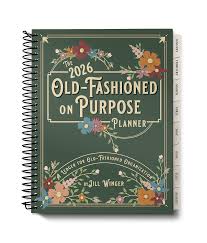
🤝THIS EPISODE’S FEATURED SPONSOR: The Old-Fashioned On Purpose Planner
Talk about a mission-oriented tool for homesteaders; my wife loves Jill Winger’s Old-Fashioned On Purpose Planner from Homestead Living … it sets the standard for organizing real life with wisdom and hard work.
The 2026 edition is better than ever, packed with tabs for gardens, animals, meals, food production trackers, habit builders, and goal-setting pages to tame the chaos and amplify your dreams.
Learn more: https://homesteadliving.com/the-old-fashioned-on-purpose-planner/

🤝THIS EPISODE’S FEATURED SPONSOR: Homestead Living Magazine
Homestead Living magazine sets the standard for inspiring wisdom-filled homesteading content: actionable tips for organic growing, food preservation, delicious recipes, and uplifting true stories that feed body and soul.
Get bi-monthly double-issues in print (mailed to your door), instant digital access, or both … perfect for families pursuing purposeful, independent living. “The best resource for homesteaders!”
Learn more: https://homesteadliving.com/homestead-living-magazine





Leave a Reply