
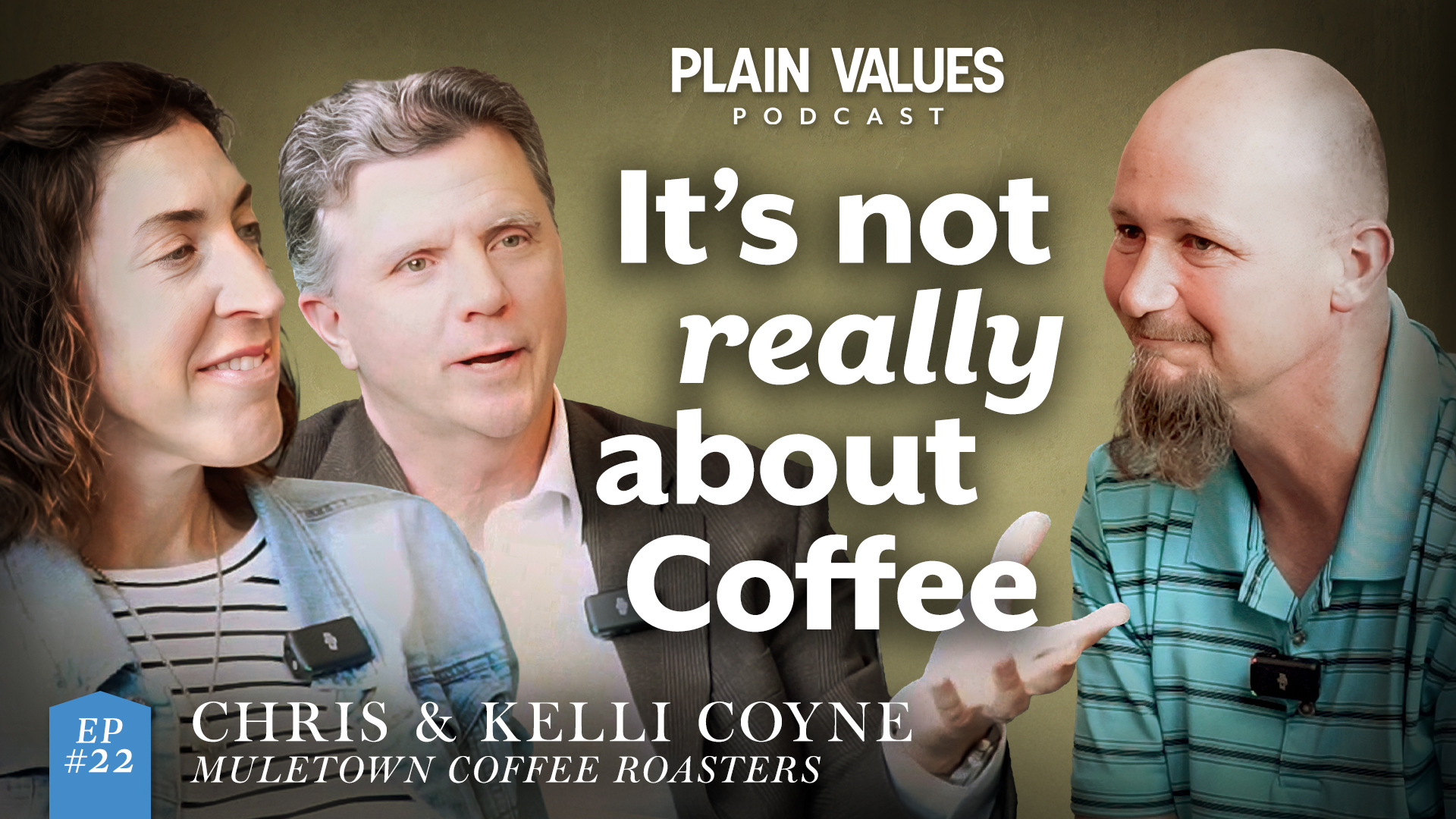
In this warm, heartfelt episode, Chris and Kelli Coyne (owners of Muletown Coffee in Columbia, Tennessee) share the unlikely story of how a small coffee roasting operation became the spark that transformed a forgotten downtown into a thriving community hub.
What started in 2013 as a risky venture in a near-empty square has grown into something far bigger than great coffee (though their roasts are repeatedly called “fantastic”). Chris boldly told his team on day one, “Remember, what we’re doing here is not about coffee.” It’s about what coffee does … it gives people an excuse to gather, linger, and connect.
From first dates to Bible studies, grieving friends finding solace on the porch, kids playing Uno with parents, and an elderly couple making the shop their daily ritual, Muletown has become Columbia’s living room. The owners credit “Porch Time” (organic gatherings born out of shared loss) for deepening those bonds and helping draw people back downtown.
Amid reflections on slowing down in a noisy world, resisting hustle culture, and generous giving over strict profit, one truth shines through: sometimes the simplest things—a good cup shared without hurry—can rebuild a community one conversation at a time.
Pull up a chair, grab your favorite mug, and listen in. You’ll leave wanting both better coffee and better connection.
Learn more about Plain Values at https://plainvalues.com.
Transcripts
0:00 – Intro
3:24 – Mule Town Coffee Backstory & Downtown Resurgence
8:21 – Kelli’s Upbringing: Colombia & General Motors
9:55 – Coffee is the Uniter: It’s Not About the Drink
12:45 – Community Stories & The Power of Porch Time
17:34 – Power of Slowing Down
25:53 – “We Saved a Seat for You”: A Place for Community
29:11 – Remembering Kelli’s Dad
33:39 – How Can We Pray for You?
Chris Coyne:
Specifically with Muletown Coffee, I would share that I got in a little bit of trouble when, I say trouble, when Kelly and I joined the team here, because the first leadership meeting that we had, I felt like we needed to reposition things just a little bit. I said, “The first thing I want to say is that remember what we’re doing here is not about coffee.” Something that we’ve leaned into really from the word go in making sure that what we were bringing to life here in the square, as cliche as it sounds, was entirely about bringing the community together. Coffee’s the easiest way to do that. And maybe that’s the only reason we exist.
Marlin Miller:
A while ago, I had a chance to sit with my friends, Chris and Kelly Coyne from Columbia, Tennessee. They own and help operate Muletown Coffee and the Muletown Coffee Roastery. They are wonderful family. They have a ridiculously beautiful coffee shop cafe in the heart on the square of downtown Columbia, Tennessee. And let me just confess and follow on the sword here. When we shot the podcast, it was the very first time with our new cameras and I had no idea what I was doing. I totally forgot to check the ISO setting. For those of you that know that’s the shutter things and the speeds and all that stuff. And guys, I’m just going to warn you, it is horribly washed out. The coffee shop has this whole wall of beautiful and giant windows facing the courthouse, and it’s beautiful. But that let in so much light that the sensors were almost totally flooded out.
So Seth told me that he believes that it’s halfway salvageable. And Seth, have you seen any of the edited stuff at all? Have you- Well, it’s really hard to see because it’s all white.
Kind of the case of the point or the case in point. So yes, if you want to listen to this, it’s a great conversation about life and coffee and God. But just listen to it on iTunes or something. Don’t try to watch it. It’s not going to be that great. I’m just going to warn you. But it’s still a great conversation. Guys, thank you. This podcast is sponsored by my friends at Azure Standard. A while back, I had a chance to sit down with the founder, David Stelzer, right here at the table. And we had a great conversation. I love the Azure story. They started out as farmers back in the ’70s and I think in 1987, they began a nationwide food distribution company. And guys, they are non- GMO organic. They do it right. They do it so well. And you can get a truck to drop food right in your town.
Check them out at azurestandard.com and tell them Marlin and Plain Values sent you. So hold my hair. Can you guys just introduce yourselves a little bit? Give us some backstory on who you are on your family and where this fantastic coffee shop came from and the final, and in my opinion, the most important part, the impact that Muletown Coffee has had on the town of Columbia, Tennessee.
Chris Coyne:
Sure. You want me to start? Sure. Yeah.
Marlin Miller:
Yeah.
Chris Coyne:
So maybe we’ll just cut all the way to the end here, not give you too much backstory. We moved to Columbia in 2015, and the lady at church said, “Hey, quote, you’ve got to go meet these two crazy hipsters, honestly, right? Yeah. That put a coffee shop downtown in the square. There’s hardly anybody that goes to the square, but they’re taking a huge risk. It was called Muletown Coffee. They even took a risk on the name itself because at that time, Muletown definitely wasn’t as ubiquuitous as it is now. And so you got to go meet these guys because she knew I was a coach. I did a lot of leadership coaching and development.
And so I came down here. I didn’t even drink coffee at that time. Can you believe that? And I came down and met these two guys and they’re great. We just became very fast friends, really became involved in one another’s families very, very closely. And I worked with them for a few years, kind of on and off as a coach, but mostly we were just friends and pals. And then in 2019, Kelly and I decided, well, I wanted to get off the road. The kids are getting older, we’re here, we wanted to be much more present. And the initial founder, my buddy, Chris Winegar, decided to move on and start a new business and do some different things. And so we bought the company in 2019. Now, prior to that, it began in 2013. That’s when the initial opening of the coffee shop happened and the roasting facility, which was just in the back of the coffee shop, just a really small entity.
Well, I hear from a lot of residents and from business owners in the area here that us along with Andy, Marshall, and his family with Pucketts are largely credited for the resurgence of the downtown area, people coming down and building community. And so I don’t know, that may be an over exaggeration. However, it’s very humbling to hear that. And so it’s something that we’ve leaned into really from the word go in making sure that what we were bringing to life here in the square, as cliche as it sounds, was entirely about bringing the community together. Coffee’s the easiest way to do that, right? It’s so, so easy. And so it gave people an excuse to come downtown to this quaint little coffee shop and meet a new friend.
Marlin Miller:
Did you guys talk about that as part of your goal? Like, this is why we’re doing this?
Chris Coyne:
Well, yes. In a way, I mean, it began kind of as a roasting operation. Chris wanted to roast coffee, and ironically, it was Andy and Pucketts who said yes. They were the first real client to say yes to. And so then Chris had the idea, “Hey, why don’t we just open up a small coffee shop so people can not only taste our coffee, but we can generate some traffic, some population down here, give people a reason to want to come downtown.” And so yes, I believe in the beginning, that was certainly part of the goal. Whether it was the entire goal, I don’t know because it was, as I said, a roasting operation, but very quickly it became apparent. Yeah. Even when you and I moved here in 2015 and we walked into the shop for the first time, we were like … Because Kelly grew up here.
Maybe you talk a little bit about that, what the downtown area looked nothing like when we moved here.
Kelli Coyne:
No, I mean, there was absolutely nothing here. It wasn’t even a place we would’ve considered to go for an afternoon because there was no reason to come here. There was no shopping. There was no food. It was nothing. It’s actually quite sad because all of these beautiful buildings just were vacant and empty for so long. And I don’t honestly know why. But yeah, to think that you cannot get a parking spot today is just, it’s silly. I can’t even … I just would’ve never imagined this in my wildest dreams.
Marlin Miller:
It’s interesting. We have friends a half hour from our home area, home place that are from here and moved to Ohio. And after we figured out that we love Columbia, they now live in our neck of the woods, they have literally said effectively that Columbia was a bit of a dump. If I can just say it, it was a bit of a dump.
Kelli Coyne:
Yeah. It was actually a difficult move here for my family when I was younger because my parents came here because they both worked for General Motors. And at the time, General Motors was looking for a new place to open up a plant to start the Saturn portion of General Motors. And I honestly have no idea how they chose this area. I mean, I’m sure a lot had to do with the fact that there was literally open land and space. Cost of living and everything was inexpensive to allow for them to build and then bring all these families. But we came predominantly from the north, Michigan, Ohio, Illinois. And it was definitely not an easy transition. The north and south, very different.
But also just like leaving family and friends and then coming, leaving or we’d left in Michigan and we could be to Chicago in three hours, Cincinnati in two hours. I mean, anything you want to do and see and eat is there, a lot of diversity. And then to this, it was actually quite shocking. So when I left for school, I never imagined I would come back. Not that I had a bad taste in my mouth. I just thought there’s nothing to come back to. I couldn’t imagine working here or having any kind of career or anything. And we’ve been traveling back and forth three years to visit my parents, but we would never do anything in Columbia. We’d either just stay at their home for the weekend or travel to Nashville and do something there. And when we first moved here, I was like, kids, we’re going to be going to Nashville every weekend.
And now we don’t have to. We don’t. I mean, we don’t even have a desire to because everything that we want is centered here and need as well. So I would’ve never thought that.
Chris Coyne:
Specifically with Muletown Coffee, I would share that I got in a little bit of trouble when, I say trouble, when Kelly and I joined the team here, because the first leadership meeting that we had, I felt like we needed to reposition things just a little bit. I said, “The first thing I want to say is that remember what we’re doing here is not about coffee.” I kind of regret saying it that way because it made it sound as if we don’t care about the coffee. At least that’s what my director of roasting thought and our buyers and purchasers of the coffee and my partner and- This was to the whole team. Yeah, yeah. To the entire leadership team. My point, of course, was it’s what coffee does. And I said to them, “The coffee needs to be good. Our coffee isn’t good. It’s great.” That may sound like I’m bragging a bit, but it’s the truth.
It’s fantastic coffee. It’s fantastic coffee. We get tons and tons and tons and tons of emails and posts and visitors saying, “Oh my Lord, your coffee.” Very complimentary about the coffee. And don’t think we’re not appreciative of that. We are. However, it’s what coffee brings to the table. Coffee is the uniter and it needs to be good and ours is good, better than good. So what we need to lean into is how we take our product and build a community around it. And that’s essentially the short answer to your question. The coffee was good enough to keep people coming back, but more importantly, when they were coming back, we have church. I mean, people are coming in here and studying and reading the Bible and ministering together. We have first dates. We have kids from the local school. Agathas are one of our schools that we love around here.
I mean, we got just all kinds of community. And anytime you walk into the shop, that’s the first thing that you see. And we’re very thankful and very humbled.
Marlin Miller:
Yeah. I don’t think I’ve ever walked into this shop and not had to struggle to find a table. It’s just the way it is. And it’s Lisa and I immediately knew, and obviously from mutual friends, we knew that Mealtown Coffee was the place to go downtown. Oh, thanks. And I’ve had many other people say that if it wasn’t for you guys to kind of kick off that regenerative thing downtown here on the square, that it might have taken a lot longer to do that. What are some of your favorite stories of what you’ve seen come out of that type of community, those first dates and those little things that a lot of people would probably miss?
Chris Coyne:
Well, I think I could start out with the thing that’s most favorite to you and I particularly, and that is Muletown Coffee was a piece of the initial porch time.
Marlin Miller:
Yeah.
Chris Coyne:
It was just the coffee. I mean, it began, of course, with our friends, with Rory and Gabe, and with Joey’s passing, and then later on with Scouts passing, and that’s hard stuff to talk about. To this day, it’s very hard, but it was a chance to get together, to build community. We don’t even really need to talk. Let’s just sit on the porch together and be present, be in one another’s lives. As Simon Sinek would say, “Just sit in the mud. Let’s just sit in the mud together until we figure out a way out of this thing.” And coffee was a big part of that. Not so much the taste of the coffee, as much as the bringing together Chris and Matt and my predecessor, Chris, saying, “Well, if you guys are going to be out on the porch, why don’t we bring some coffee and then we’ll come hang out.
” And there were, I think eight of us in the beginning, something like that when it began. And I don’t need to tell you, I mean, that has, right, for our families, for our community in particular, and an absolute exponential factoring because of the desire and the heart to get together and be present and this simple little beautiful thing that brings people together, just a good cup of coffee that we can share.
Marlin Miller:
Do you think, Chris, that initial porch time was as big a part of this downtown community coming back to life as what I have imagined it to be? It seems like there was this core group of guys that basically drug everybody into town.
Chris Coyne:
Yeah. Yeah. I don’t think you could put too fine a point on that. It’s just a handful of guys. And quite honestly, we just didn’t want to sit outside in the cold. So we brought it into the roasting house, just a handful of us. And then slowly but surely what would happen in a very natural, organic, heartfelt way, it would be like Gabe saying, “Hey, my buddy Marlon’s coming. Is it okay if I bring him porch time?” And I’m like, “Of course. Yeah, bring him. Let’s meet.” And it’s that old commercial, she tells two friends and she tells two friends and so on. And so that’s essentially what happened. Next thing you know, this, if you will, sort of a porch time 2.0 was born and now it’s massive, right? There’s still what we call the OG, that original group that’ll get together for nostalgia, but it happens at Roy’s farm, it happens in here.
There are little pockets of various porch times. And there’s probably,
Marlin Miller:
I mean,
Chris Coyne:
There’s going to be 150 guys in this thing at any given time, not at one time in a meeting, but scattered that, “Oh, porch time. Yeah. ” So yeah, I think the short answer would be there’s the porch time idea conceptually. And then what it became in reality was a part of some of the resurgence we see down here.
Kelli Coyne:
Yeah. I mean, definitely community is the key because I mean, we would be remiss if we didn’t mention that it was started by Gabe, who I know you will be chatting with another time, to support Rory after his loss. And then it’s kind of sad or wonderful to think that that only prepped for the community that he would need for his loss. And then continuation of all these other good and bad things that would happen that we now have this community to laugh along with you, suffer along with you, cry. And so yeah, coffee was just a quick little excuse to make all that happen for sure. And now look at it. So there’s community here and everywhere and people have found their people that they need in life.
Chris Coyne:
And you know what? So to piggyback on that, I remember a very, very powerful moment at Scout’s funeral where I wish I could contribute to the right person. It was either Jared or Ryan. It was somebody sin circle. In that moment, he said, “These are the people I want to do life with. ” And that struck me as very, very powerful as you look around and the people that were just there, pure love and how I just want to be present. And if that doesn’t say community, I don’t know what does.
Marlin Miller:
Earlier we were talking about Gabe is the single best guy that I know of at not losing the very focus of keeping life simple. I
Kelli Coyne:
Would agree.
Marlin Miller:
And keeping it slowed down. Amen, buddy. Why do you think we speed things up so much? Why is it so hard to just stay focused on living life and being present and I’m rambling, but there’s so much there and I don’t … I’m going to shut up. I’m sorry.
Kelli Coyne:
Oh no. I feel like I’m sort of, for the first time in my life, I’m dealing with this. I’ve been having a lot of physical ailments for a long time and I’ve sort of plateaued in where I am in fixing that. And then somebody who I met here at Muletown said, “I think your nervous system is just not able to recover and that’s what you need to work on now. And it’s not unless you slow down.” And my nature is to always be on the move, have to- do lists, always … And I don’t even know why. I wasn’t raised in a family that was browbeating me saying, “This is what it takes to be successful, or you have to be working,” or some of those cliches, “I’ll sleep when I die,” those type of things. It wasn’t that. I just feel like I always have to do and work, and it’s difficult for me to sit down.
I rarely eat a meal sitting down because I just feel like I have to be on the go. So I need the slowness. I didn’t think I did, but now I’m realizing I do. I also never really liked silence because I was always too afraid to be alone with my thoughts because then I would just have this perpetual do list and I have to get this done. I need to do this and this person needs help. So
Marlin Miller:
Interesting.
Kelli Coyne:
And now all of a sudden, I’m actually for the first time I understand how wonderful it is to just be in the moment and just focus on things right here, actual physical things I can touch and see and smell and hear and that’s all you really need. Gabe’s been doing it. He’s the OG. Yeah, he definitely is pretty incredible. I’ve never understood the importance of that until recently.
Chris Coyne:
I can remember Matthew Kelly talking one time about being countercultural. He said that the best way to do that is to follow Jesus because you think you’re doing it right, but Jesus really wants to turn it upside down. In virtually every way, the prevailing themes that we see, unless they’re tied directly to your faith and your center, you’re going to be rebuffed. You’re going to be rebuffed if you enjoy silence. You’re going to be rebuffed if you … My wife is decidedly selfless and that’s where she brings a lot of challenge to herself because she doesn’t know how in any moment to just put herself first. And I don’t mean selfish. I just mean, I’m just going to go in here and close the door and take a break. Oh, no, no, I need to be serving somebody. And we’ve talked about this ad nauseum.
But one of the ways I would answer your question about the speeding up of things, C.S. Lewis and screw tape letters, right? The most profound thing I think they came out of that was when the devil is yelling at his nephew, scolding his nephew for overthinking it, he said, “Man, all you have to do is make noise, just make a lot of noise.” The more noise you make that the silence piece, the difficulty, or dare I say, impossibility for them to hear the voice of who they call the enemy, Christ. So I think that has a lot to do with it. I think there’s so much noise, physical noise and otherwise, that competes for our attention and there’s this necessary paceness to it where I have to work hard, I have to be prepared, I have to make sure I’m developing, I have to make sure I’m growing, I have to do all these things.
And again, our mutual friend, Gabe, who Kelly works with and works for, he’s brilliant at that. He will literally stop you in your tracks and go, “Hey man, what are we doing here? Let’s open a bottle of wine and just be.
Marlin Miller:
” Yeah, do you guys being in here, the hustle and the bustle and the people coming and going, and do you guys ever, ever … Or I’ll ask it like this, have you sensed a change or a shift in that overarching speed and pace? Because at times I wonder the iPhone and the smartphone is a wonderful thing to apart, to there’s a plateau there and all of a sudden you enter some dangerous ground with addictions and all kinds of things, just simply the need to be needed and, “Oh, someone texted me. I have to respond right away.” It almost, I guess I’ll say it like this, I have sensed that there might be this pendulum swinging back to where people are saying, “I don’t know if this is good for us. I don’t know if this is healthy.” Have you sensed that in the people here, in the people around, just in your own lives?
Chris Coyne:
I think it honestly could be a both end. I do believe that some of the reason why our baristas and our kitchen team and just everybody here works so hard is to provide an environment for people to
Be peaceful and be in community and take a break and come have a cup of coffee and look out our beautiful windows and that kind of thing. That doesn’t mean there’s not people in here doing work and meeting and doing quote unquote otherwise productive things, but they work hard so people coming in here can feel really. And we do hear that feedback a lot, right? People saying, our good buddy, Jason, right over here, a lawyer, he says, “Sometimes I just get out of my office and I walk over here, even if I’ve had enough coffee just to walk in here and breathe.” Well, that’s a heck of a compliment, man. That really is beyond the vibe of the place. It’s also what it generates very organically from the service to the people who are in here to the aesthetics of looking out the windows. Dare I say it is a bit of an escape for many people to come in here and breathe.
Kelli Coyne:
Yeah. And definitely I’ve seen a lot more books lately and we’ve got that area in the back with games and cards. It’s incredible how many young kids play cards together, parents come in Saturday mornings in particular. You can tell that the parents are probably wanting a little outing and this provides a sugary muffin for their kids and a few minutes to relax and have a cup of coffee and they’re playing Uno with their kids, but they’re having a nice interaction as well. There’s that couple that I ask you about all the time that I’m sorry I have to meet them, but they literally come in every single day. They’re an older couple and I think it’s amazing. They sit in that table and they’re here for hours. They get a cup of coffee. They often bring people with them. They’re obviously retired age and I just love that this is their place.
I wave to them and they wave back because there’s that familiarity. “Oh, I see you every day, but I’m sorry to say I’ve never gone to ask their name. Have you ever introduced yourself or
Chris Coyne:
You have? I can’t recall their name. They’re very sweet. Yeah. I even from time to time, I give them a free drink card just to say thank you. They’re
Kelli Coyne:
Helping us big time in for our retirement, but it’s so cool to think that this is a place that every day they leave their house to come to be and have fun. And so I think that’s
Chris Coyne:
Pretty cool. We have a friend in town who’s a realtor who, I won’t mention my name. I don’t want to embarrass him, but he tragically lost his son a few years ago. Some was older, how old he was. Well, he’s 30. Maybe 30, early 30s, a tragic mountain accident. Yeah, he was in here all the time, his son, all the time. And I know he was ministering to a lot of people. It was just a huge, hard, very adventuresome guy. So when we opened this place, we over here just to my right, we didn’t want to draw too much attention to it, but we put a little plaque on that wall over there by the window and it just says his name and then we saved a seat for you in tribute. And that, I think again, speaks to the community piece. There was a real … It was honor in that, just keeping that memory alive.
And maybe that’s the only reason we exist. It really isn’t. The coffee is wonderful and fabulous as the coffee is. It’s much more than that.
Kelli Coyne:
Yeah, because if you look at our books, we are probably not running … We talk about this all the time. I think we just did this morning or last night. I know that we’re probably not running a business in the smart way in the sense of like, you do this or you never do this because you’ll never make money, but there’s no heart in that. It doesn’t leave you any leeway for someone that calls and say,” We’re having a fundraiser and we know people would love a cup of coffee and could you provide? “Of course. So I’m sure there’s something that says in the book of economics, you should never give anything away because they’re never going to make any money. But then how do people know that you truly love them? And anytime we’ve done that, we’ve always been paid back in some way.
Marlin Miller:
And it’s not even
Kelli Coyne:
About that. Well, exactly.
Marlin Miller:
Yeah. But it’s always shoveled back in your lap.
Kelli Coyne:
For sure.
Marlin Miller:
I feel like there’s a verse that I’ve read somewhere.
Chris Coyne:
Your measure will overflow. Yeah.
Marlin Miller:
We’ve been publishing plain values for almost 13 years now. And about a year ago, the team and I decided to put together a compendium, a best of, if you will, of our favorite stories, the most impactful stories of all those years. And invited is what we built out of those conversations. It is 194 and four pages, and it is absolutely a thing of beauty. We do a monthly gathering here where we just simply open our doors. It’s called Porch Time. And the story of how Porch Time came to be and how our family was invited into that and how we are inviting you and every Tom, Dick, and Harry, anybody who wants to come can come and hang out at Porch Time here at the office in Weinsburg. So it was such a natural fit to use the home of the founder of Porch Time and to call it invited.
You can find it on plainvalues.com on the shop page, and you can now consider yourself invited. So if I can change gears for a little bit, you shared with me just a few weeks ago that you lost your dad.
Kelli Coyne:
Yes. Yeah.
Marlin Miller:
I am sorry to hear that. Thank you. So this is what I want to share about that. After you told me that, Kelly, I had this hunch like I need to just find his obituary, and I was so glad- Which Bella wrote. Did she really do that? I did not. I didn’t know that. I didn’t know that. She’s such a great writer, by the way. I just have to say that. But what struck me was when I found it that there’s this unbelievable photo of your dad,
Kelli Coyne:
Jim,
Marlin Miller:
And I noticed … I just saw the kind eyes that I …
Kelli Coyne:
Yeah.
Marlin Miller:
It was just great. Tell me about your dad.
Kelli Coyne:
Sure. Well, this is definitely a place that he just likes people and hanging out, right? My dad just loves to hang out.
Chris Coyne:
Always ready.
Kelli Coyne:
Yeah, he’s always ready to go hang out, to meet people. So coming here, I think he felt so honored that to be a part of this. He would often go to the roasting house and just visit. And our employees are always so generous with their time to chat with him. Yeah. So this is something that I know he’s so proud of. And of course, his grandkids, as you got from that, he was just such a good dad and grandfather like that. Just always willing to play or take them to the park. One time he took Bella to a museum and I thought they died because they were gone for like eight hours. This was when she was very young. We didn’t even have a cell phone yet. So I thought surely there’s no way they would still be there, but he just let her look at any and everything she wanted to without rushing her or saying, “We got to go.
We got to hurry up.” So he was good at that for sure.
Marlin Miller:
And being present, just
Kelli Coyne:
Drinking
Marlin Miller:
It
Kelli Coyne:
In. Yeah, yeah. And that particular picture was just such a … He was so, so very happy that was taken at the Medal of Honor Convention. Did you give him the backstory on that or
Marlin Miller:
Anything? The Medal of Honor?
Kelli Coyne:
Yes. So Chris was a co-chair in bringing the Medal of Honor to Knoxville, Tennessee. Every year a new city hosts the Medal of Honor Convention. And boy, you guys had bid, what, three years ahead?
Chris Coyne:
We did.
Kelli Coyne:
You have to have all your ducks in a row and you go to the Medal of Honor Society and say we want to host it and this is what we can do. And this is where it will be. And we’ve already got X amount of money promised.
Chris Coyne:
You bringing all the living recipients of the Medal of Honor together for a reunion. Wow. That’s why it takes so
Kelli Coyne:
Long
Chris Coyne:
Interrupting.
Kelli Coyne:
And so it’s for them, but also there are some community pieces. So my father was in the military, as you saw. And I mean, he was just so excited to be able to see these guys, real true heroes. And that night was kind of the culmination of the whole week where they have a huge gala, which is kind of half fundraising. And then they give awards to people throughout the United States that are patriots. There’s like one in journalism and various … There’s a-
Chris Coyne:
Entertainment.
Kelli Coyne:
Entertainment Bob Hope Award because … Who was it that got that year? Entertainment. It was a big guy. His name is-
Chris Coyne:
David Faherty.
Kelli Coyne:
Oh no. Mark Walbert. Mark
Chris Coyne:
Wolver. Yeah.
Kelli Coyne:
David Faherty, because my dad was a big golfer. So I think in that picture he’s with you and potentially- And
Chris Coyne:
David Faherty.
Kelli Coyne:
David Faherty. Yeah. So that’s why the smiles was oh so large.
Chris Coyne:
That was pretty great.
Kelli Coyne:
But yeah, I mean, that was such a great night for him. And yeah, he always loves sports too. Not in an obnoxious way where he get angry at the TV. He just generally loved to watch it. Also, I think just like his mind worked well with sports, always thinking about statistics. But that game could end and that was it. There was no hard feelings. He wasn’t upset if they won or lost. He just was happy to watch it and wait for the next game. Yeah.
Marlin Miller:
Truly a good sport.
Kelli Coyne:
Exactly. Yeah. Yeah. He was truly a good sport. Yeah,
Marlin Miller:
He really was.
Kelli Coyne:
Yeah. Yeah. He just loved it for the actual game itself and what would happen. And so yeah, there’s definitely … I have a piece about his passing that I didn’t think, but then sadness too. It’s like, wow, I forgot how much we hung out or this place or dinners or sports. It’s just … Yeah. It’s good. It’s good, but I’m just sad that he’s gone.
Marlin Miller:
Yeah. Well, I can’t wait to shake his hand some day. I can’t wait. How can we pray for you guys?
Kelli Coyne:
Well, I always pray for Muleton Coffee, but also a little dragon. My prayer is just that we can continue to make a good product and good content for people because then I feel like if then everything else will fall in place. If it’s good and we’re doing a good job, then all that stuff that the economists are looking at, I think will happen. And just so we can continue to take care of our employees and people can just have good qualities of life. That’s always kind of my prayer. It’s nothing necessarily specific like, “I hope we make a million dollars this year.” That’s a lot of coffee to sell. But yeah, just hope we could just continue to put out a good product and have a good place for people to come. What about,
Chris Coyne:
What is your prayer? The wrote prayer that I say all the time is help us to grow so we can give more.
I mean, it’s everything you just said. There’s so much better at it. I just put a little word on it. Just help us to grow that we may give. Little dragons trying to get this feature, beautiful feature length film made. And I believe, I believe in my heart it will change things. If this film gets made, it’s just so beautiful. I pray for the coffee shop. And maybe I’ve got some friends that are really suffering right now health wise and they need a miracle. So whoever’s watching this, if they could just lift up God knows who they are, lift them up for us. And then lastly, you know, we just launched a new coffee, even though I’m retired, supposed to be.
Marlin Miller:
As of Monday, right?
Chris Coyne:
As of Monday. This past Monday. Yeah. I’ve got such a great business thank you. This company has been led by my business partner since the beginning anyway, co-led and he’s going to take it to New Heights for sure. But we did start a different coffee brand here recently. Matt and I and our business partner, Column, are very devout Catholics. And so we started a Catholic coffee brand called Gloria Patri, which translated the glory to the Father. And our hope there for that is truly mission based to grow the faith. And perhaps, I mean, our tagline is awaken your faith. It’s kind of a cool double entendre. It’s fantastic.
Marlin Miller:
A little kissy maybe, but- I love it. I’ve sent it to a few of my friends. Thank you. And every one of them, I’m always like pointing out, look at the branding and the packaging on the Hail Mary and all the … It’s so good. I love
Chris Coyne:
It. Well, thank you. I mean, the idea is just that simple that you would have a cup of coffee and pray.
Marlin Miller:
Yeah.
Chris Coyne:
And if we could just start there, how beautiful that thing.
Marlin Miller:
It’s so beautifully simple. Yeah,
Chris Coyne:
Indeed. So
Marlin Miller:
Guys, thank you. Thank you so much. I hope you know how much I appreciate this. Thank you. Yeah.
Chris Coyne:
Well, we love you mom. We appreciate you asking. So glad. So blessed that our paths have crossed.
Marlin Miller:
And I’ve got way too many questions. I’m just going to throw it out there. If you guys ever come to Ohio, you have to … Oh,
Chris Coyne:
Yeah. We just need to do this again. Oh, counter it. And maybe next time. See that cool vital studio of yours. We love that.
Kelli Coyne:
Yeah. How long is the drive for you guys here?
Chris Coyne:
It’s about eight hours. Oh, it’s
Kelli Coyne:
Not too too bad. It’s not bad.
Chris Coyne:
It’s
Marlin Miller:
Not bad.
Kelli Coyne:
So
Marlin Miller:
Thank you again.
Chris Coyne:
Awesome. Thank you, buddy.
Marlin Miller:
My wife loves Jill Winger’s old-fashioned on purpose planner, and this year’s is better than ever. It has all sorts of tabs from your gardens to your animals, to your meals. Anything and everything that you can imagine that needs planning, Jill has built a spot for it in here. You can find this at homesteadliving.com. Order yours today for 2026. In his book, Rembrandt is in the wind, Russ Ramsey says that the Bible is the story of the God of the universe telling his people to care for the sojourner, the poor, the orphan, and the widow. And it’s the story of his people struggling to find the humility to carry out that holy calling. Guys, that is what Plain Values is all about. If you got anything out of this podcast, you will probably love Plain Values in print. You can go to plainvalues.com to learn more and check it out.
Please like, subscribe and leave us a review. Guys, love y’all. Thanks so much.
Brought to you by …
🤝THIS EPISODE’S FEATURED SPONSOR: Azure Standard
Talk about a mission-oriented company; our friends at Azure Standard set the standard of excellence when it comes to sourcing nutritious food for your family.
They have a new program called “Around the Table” that nourishes by walking shoulder-to-shoulder with churches and church communities. It’s wonderful!
Learn more: https://www.azurearoundthetable.com/ from Plain Values’ mission to share the gospel amid infertility, adoption journeys, and special needs advocacy, this 194-page volume renews hope and affirms the beauty of simple, purposeful lives.
🤝THIS EPISODE’S FEATURED SPONSOR: Kentucky Lumber
Our friend Derek Guyer at Kentucky Lumber is the type of guy that you want to support. He is a highly-skilled tradesman who exemplifies excellence in everything he does. Kentucky Lumber is an independent lumber yard that truly does world class work!
We would humbly ask you to support them with your lumber needs: http://www.drywallhaters.com
“WELCOME TO THE HOME OF WOOD, PEOPLE, AND SERVICE WITH CHARACTER.”
🤝THIS EPISODE’S FEATURED SPONSOR: The Old-Fashioned On Purpose Planner
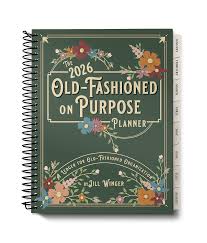
Talk about a mission-oriented tool for homesteaders; my wife loves Jill Winger’s Old-Fashioned On Purpose Planner from Homestead Living … it sets the standard for organizing real life with wisdom and hard work.
The 2026 edition is better than ever, packed with tabs for gardens, animals, meals, food production trackers, habit builders, and goal-setting pages to tame the chaos and amplify your dreams.
Learn more: https://homesteadliving.com/the-old-fashioned-on-purpose-planner/




Leave a Reply